Our Office
3125 Coffee Rd.
Suite 1
Modesto, CA 95355
Existing Patients: (209) 529-2726
New Patients: (209) 207-5740
Visit Us Online

Dental bonding is a procedure that is often used to restore teeth affected by decay as well as for the repair of chipped or fractured teeth and masking a range of dental imperfections such as stains, discolorations, gaps, misshapen, or undersized teeth. A popular method for restoring and improving the appearance of a person’s smile, dental bonding qualifies as a cosmetic procedure by virtue of the fact that the composite resins used for the procedure are tooth-colored and come in a range of shades that blend seamlessly with natural tooth structure.
A dental bonding procedure, which is performed to fill a cavity or to cosmetically repair a chip, fracture, enamel defect or gap between teeth is known as a “direct composite restoration.” For a direct composite restoration, both artistry and precision are required as the dentist places the selected shade of composite resin and carefully sculpts it to rebuild or improve the appearance of a tooth.
In terms of the cosmetic repair of dental defects, the masking of discolorations or the closure of gaps between teeth, a dental bonding procedure is considered the most economical and quickest method of care out of all the cosmetic solutions available for these types of corrections. Unlike porcelain veneers or ceramic crowns, dental bonding is a minimally invasive, one-visit cosmetic procedure. Moreover, unless a cavity is being cleaned and prepared prior to a dental bonding procedure, no drilling of tooth structure and no anesthesia is required.
How is a dental bonding procedure performed?
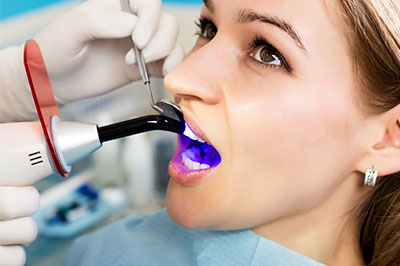
When performing a bonding procedure, it is important to enable the composite resin to firmly adhere to the underlying tooth structure. To do this the surface of the tooth is etched and then painted with a liquid bonding agent just prior to the placement of the filling or cosmetic bonding. As the dentist places the composite resin, it is carefully sculpted to achieve the desired shape and then cured with a special light or allowed to set. Once hardened, the newly bonded restoration is polished and buffed for a smooth finish. Some dentists may offer composite veneers as an alternative to porcelain veneers, artistically bonding and blending successive layers of composite resin to transform the appearance of a tooth.
Caring For Bonded Teeth
While a bonding procedure offers an excellent and cost-effective method of care for the treatment of minor cosmetic dental issues, there are a couple of considerations with this approach. Teeth that are restored or cosmetically enhanced with a dental bonding procedure are as a rule more susceptible to staining and chipping than with other types of cosmetic treatments. For this reason, highly pigmented foods and drinks are to be avoided along with tobacco products. As dental bonding can easily chip and break, it is also important not to bite into hard objects or foods and to avoid oral habits such as biting one’s nails or chewing on pens. However, with proper hygiene and care, a bonded restoration can last for many years.
Dental bonding is a cosmetic procedure in which a tooth-colored composite resin is applied to a tooth and hardened with a special light to restore or improve its appearance. The resin is sculpted to correct chips, small cracks, minor gaps and surface irregularities so the tooth looks natural and harmonious with surrounding teeth. After curing, the material is trimmed, smoothed and polished to match the sheen of the adjacent enamel.
The technique is minimally invasive because it typically requires little to no removal of healthy tooth structure before application. Bonding allows the dentist to make targeted, conservative changes without crowning or extensive preparation. Many patients choose bonding to address localized cosmetic concerns while preserving their natural tooth whenever possible.
Good candidates for dental bonding are patients with minor cosmetic issues such as small chips, surface stains that do not respond to whitening, narrow gaps between teeth, or modest shape irregularities. Candidates should have generally healthy teeth and gums so the bonded material can adhere properly and the restoration can be maintained. A dentist will evaluate bite, oral hygiene and the location of the tooth to determine whether bonding is appropriate.
Dental bonding is not usually recommended for large structural repairs, extensive decay or teeth that are subject to heavy biting forces from grinding or clenching. In those cases, more robust restorations such as crowns or veneers may provide longer-lasting results. Your dentist will discuss alternatives and help select the treatment that best meets your functional and cosmetic goals.
The procedure begins with shade selection so the composite resin matches the natural teeth. The tooth surface is then gently prepared, often by lightly etching or roughening the enamel, and a bonding agent is applied to promote adhesion of the resin. The putty-like material is layered and sculpted to the desired contour before a curing light hardens each layer.
Once the resin is fully cured, the dentist will trim, shape and polish the restoration to blend with the tooth surface and surrounding dentition. The entire process is commonly completed in one appointment for a single tooth, and most people return to normal activities immediately afterward. At the office of Wayne T. Yee, DDS these same steps are used to deliver predictable, esthetic outcomes tailored to each patient.
The lifespan of dental bonding varies with material, oral habits and the location of the restoration, but many bonded restorations provide several years of service with proper care. Bonded resin is less wear-resistant than ceramics, so restorations on front teeth that experience lighter forces typically last longer than those on posterior teeth. Factors such as frequent exposure to staining agents, biting hard objects, and bruxism can accelerate wear or cause chipping.
Regular dental checkups allow the dentist to monitor the bonded areas and perform repairs or touch-ups as needed to extend service life. Good oral hygiene and avoiding habits that stress the resin help maintain appearance and function. If a bonded restoration shows significant wear or recurrent problems, the dentist can recommend a more durable restorative option.
Advantages of dental bonding include preservation of natural tooth structure, relatively quick treatment in a single visit for many cases, and the ability to make targeted cosmetic improvements such as reshaping or closing small gaps. The composite resin can be color-matched and sculpted to create a natural appearance that blends with adjacent teeth. The technique is versatile and suitable for many minor esthetic corrections.
Limitations include lower long-term durability compared with porcelain veneers or crowns and greater susceptibility to staining over time. Bonding is not the best choice for large restorations or teeth that require significant structural reinforcement. Your dentist will weigh these pros and cons and recommend the option that best aligns with your goals and the clinical situation.
Caring for bonded teeth starts with consistent oral hygiene: brush twice daily with a soft-bristled toothbrush and fluoride toothpaste, and floss once a day to remove plaque at the gum line. Avoid abrasive toothpastes and aggressive scrubbing that can prematurely wear the resin surface. Routine dental cleanings and examinations allow the dentist to check the integrity of bonded restorations and address minor issues early.
Avoid using your teeth to open packages or bite into very hard foods, and minimize habits that stain such as frequent consumption of dark beverages and tobacco. If you grind or clench, ask your dentist about a night guard to protect bonded teeth from excessive force. Prompt attention to chips or rough edges helps prevent further damage and preserves esthetics.
Dental bonding can effectively mask many types of discoloration by covering the stained enamel with composite that is matched to your natural shade. This approach is especially useful for localized stains or teeth that do not respond satisfactorily to bleaching. The dentist will evaluate whether bonding can achieve the desired color match and outline realistic expectations for the result.
For deeper intrinsic stains or widespread discoloration, other options such as porcelain veneers or internal bleaching may provide more predictable long-term esthetics. Bonded composite can also pick up surface stains over time, so maintenance and occasional polish or replacement may be necessary. Your dentist can recommend the treatment that best balances appearance and longevity for your situation.
Dental bonding is more conservative than veneers or crowns because it typically requires less or no removal of healthy tooth structure. Bonding is often completed in a single visit and works well for modest cosmetic changes, minor chips and small gaps. By contrast, porcelain veneers and crowns usually require more preparation, laboratory fabrication and multiple appointments, and they are designed for more substantial or long-term transformations.
Veneers and crowns generally offer greater strength, wear resistance and color stability than composite bonding, making them better suited for extensive restorations or teeth that endure heavy functional demands. The choice among these options depends on the extent of damage, esthetic goals and clinical considerations that your dentist will review during consultation. A personalized treatment plan helps determine the ideal balance between conservation and durability.
Dental bonding is usually not painful because it involves minimal tooth preparation and most patients tolerate the procedure without discomfort. If a treatment involves sensitivity or a deeper repair near the nerve, the dentist may apply a local anesthetic to ensure comfort during the procedure. Many bonding cases require no anesthesia at all, especially when work is limited to the outer enamel of front teeth.
During the appointment you may feel pressure as the resin is shaped, but numbness and post-procedure pain are uncommon and typically short-lived if they occur. Over-the-counter pain relievers and avoiding extremely hot or cold foods for a short period can help manage any minor sensitivity. Discussing concerns with your dentist before treatment helps ensure an appropriate comfort plan is in place.
Start with a consultation so a clinician can evaluate your teeth, discuss your cosmetic goals and review your medical and dental history. The exam may include visual assessment, photographs and diagnostic imaging to determine the condition of enamel, existing restorations and bite dynamics. This information helps the dentist identify whether bonding is a suitable way to achieve your desired outcome.
During the visit the dentist will explain alternative treatments, outline expected benefits and limitations, and recommend a personalized plan based on longevity, appearance and functional needs. If bonding is appropriate, the clinician will discuss maintenance and what to expect at follow-up visits. Patients at the practice often find a face-to-face evaluation is the best way to choose a conservative, effective solution for cosmetic concerns.