
Our Office
3125 Coffee Rd.
Suite 1
Modesto, CA 95355
Existing Patients: (209) 529-2726
New Patients: (209) 207-5740
Visit Us Online

Ceramic crowns are dental restorations that completely encase a damaged or weakened tooth, providing strength, protection, and an attractive appearance. Unlike traditional metal-based crowns that may contain alloys like gold or silver, ceramic crowns are entirely metal-free, making them an ideal choice for patients concerned about metal allergies or seeking a more natural-looking restoration. At Wayne T. Yee, DDS, these crowns are crafted from high-quality dental ceramics meticulously designed to match natural teeth' color, shape, and translucency.
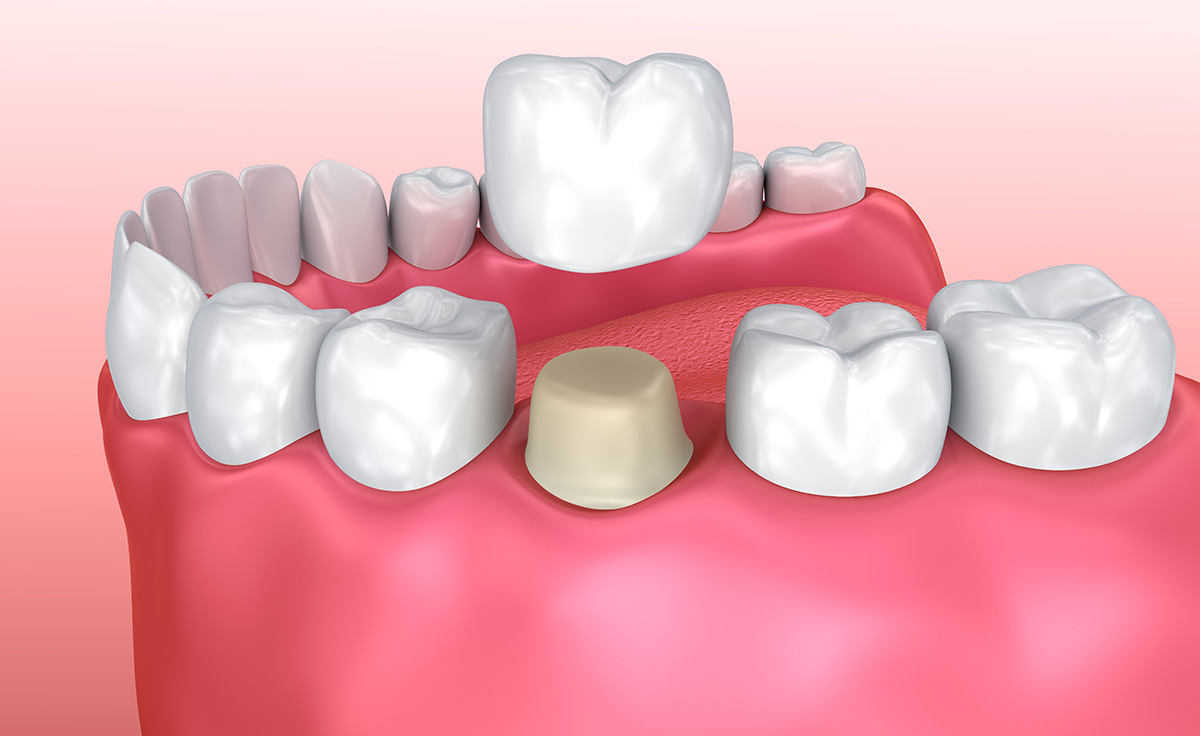
The dentist will examine the tooth during the initial visit to determine if a ceramic crown is appropriate. X-rays may be taken to assess the tooth's condition and ensure that the underlying root and bone are healthy. The dentist will carefully prepare the tooth by removing damaged or decayed portions. The tooth is shaped to create space for the crown, ensuring a secure and comfortable fit.
An impression of the prepared tooth is taken using dental putty or digital scanning technology. This impression serves as the blueprint for crafting the custom-made ceramic crown. While the permanent crown is fabricated in a dental laboratory, a temporary crown is placed over the prepared tooth to protect it and maintain its appearance. Once the ceramic crown is ready, usually within a few days to a couple of weeks, the temporary crown is removed, and the final crown is permanently bonded to the tooth using dental cement.
One of the most significant advantages of ceramic crowns is their ability to closely mimic the appearance of natural teeth. The dental ceramics used in these crowns can be precisely matched to the color, shade, and translucency of your surrounding teeth. This seamless blend makes the crown virtually indistinguishable from adjacent natural teeth, resulting in a beautiful and natural-looking smile.
Ceramic crowns are completely metal-free, making them an excellent option for patients with concerns about metal allergies or sensitivities. The absence of metals ensures optimal biocompatibility, reducing the risk of allergic reactions and promoting greater overall patient comfort.
Known for their outstanding durability, ceramic crowns are crafted from high-quality dental ceramics engineered to withstand the daily forces of chewing and biting. With proper care and maintenance, ceramic crowns can serve as a long-lasting and reliable dental restoration for many years.

Ceramic crowns are a remarkable advancement in restorative dentistry, providing patients with a blend of beauty and strength to restore their smiles effectively. Ceramic crowns may be the perfect solution if you have damaged or decayed teeth and desire a restoration that resembles your natural teeth. To learn more about ceramic crowns, contact Wayne T. Yee, DDS, at 3125 Coffee Rd # 1, Modesto, CA 95355, or call (209) 529-2726.

Ceramic crowns are full-coverage restorations made entirely from dental ceramics that encase a damaged or weakened tooth to restore form and function. Unlike crowns that contain metal substructures, all-ceramic restorations have no metal framework, which eliminates visible dark margins and reduces the risk of metal-related sensitivities. Their optical properties are engineered to mimic natural enamel, allowing for a lifelike appearance in both color and translucency.
Because they are metal-free, ceramic crowns are often preferred for patients who prioritize aesthetics or who have concerns about metal sensitivities. They can be used in many areas of the mouth, though material selection and design are tailored to strength requirements for back teeth versus the high aesthetic demands of front teeth. Your dentist will recommend the best ceramic type based on location, bite forces and cosmetic goals.
Good candidates for ceramic crowns include patients with a tooth that is fractured, extensively decayed, or weakened after root canal therapy and who want a natural-looking restoration. Patients with metal allergies or those who prefer a metal-free option for cosmetic or biocompatibility reasons are also strong candidates. A comprehensive evaluation including clinical examination and X-rays helps determine whether the underlying root and supporting bone are healthy enough to support a crown.
Patients with heavy bite forces or severe bruxism may still receive ceramic crowns, but the dentist may recommend stronger ceramic materials or specific design modifications to improve durability. In some cases, alternative restorative options such as implants or onlays may be discussed if less invasive or more resilient solutions are preferred. The final recommendation balances long-term function, esthetics and conservative tooth preservation.
Modern ceramic crowns are made from a variety of materials, including lithium disilicate, glass ceramics and high-strength zirconia, each with unique properties. Lithium disilicate offers excellent translucency and is often chosen for highly aesthetic anterior restorations, while zirconia is prized for its superior strength and fracture resistance, making it suitable for posterior teeth. Glass ceramics can provide a good balance of beauty and moderate strength for many restorative needs.
Material selection depends on the clinical situation; for example, a thin ceramic veneer-like crown may require a more translucent material, whereas a crown subjected to heavy chewing forces may be best fabricated from robust zirconia. Your dentist will consider factors such as tooth position, opposing dentition and the thickness of remaining tooth structure when specifying the ceramic material. Laboratory techniques and digital design also influence the final fit and appearance of the restoration.
Placement of a ceramic crown typically begins with a clinical evaluation and diagnostic imaging to confirm that the tooth and surrounding structures are suitable for restoration. The tooth is prepared by removing decay or damaged enamel and shaping it to create an ideal foundation for the crown; an impression or a digital scan is then taken to capture the precise anatomy. A temporary crown is commonly placed to protect the prepared tooth while the final ceramic restoration is fabricated in the dental laboratory or milled in-office.
At the final appointment, the temporary is removed and the permanent ceramic crown is tried in to verify fit, contacts and shade match before it is permanently bonded with dental cement. Minor adjustments to the occlusion and contours are made to ensure comfort and function. The process is designed to preserve as much natural tooth structure as possible while delivering a long-lasting, esthetic restoration.
After a ceramic crown is placed, mild sensitivity to temperature or pressure is common for a few days while the surrounding tissues adapt to the new restoration. Over-the-counter pain relievers and avoiding very hard or sticky foods for a short period usually manage any mild discomfort. If a local anesthetic was used during cementation, normal sensation will return shortly after the appointment.
If you experience persistent pain, swelling or signs of infection, contact the office promptly for evaluation, as these can indicate underlying issues that need attention. The practice team will provide specific post-procedure instructions, including when to resume normal oral hygiene and any follow-up visits needed to verify the crown's function. Routine dental checkups will allow the dentist to monitor the restoration and the health of the supporting tooth.
Ceramic crowns can last many years when properly designed, fabricated and maintained, with longevity influenced by oral hygiene, bite forces and the amount of remaining tooth structure. Regular brushing and flossing, along with professional cleanings and examinations, help prevent recurrent decay at the crown margins and extend the restoration's service life. Night guards or other protective measures may be recommended for patients who grind their teeth to reduce wear and risk of fracture.
Other factors that affect longevity include material selection, the precision of the fit and how well the crown is bonded to the tooth. Properly contoured crowns that maintain healthy gum tissue and avoid excessive stress points are less likely to require early replacement. Periodic assessments by your dentist allow for early detection of wear, minor chip repair or adjustment before more extensive intervention is necessary.
Ceramic crowns are commonly used on both natural teeth and implant abutments; when attached to dental implants they restore missing teeth with highly natural-looking results. Implant-supported ceramic crowns are designed to connect to the implant fixture via an abutment, and the ceramic material is chosen and engineered to withstand the functional demands of the restored tooth. The restorative workflow for implant crowns includes precise impressions or digital scans to ensure an accurate fit and proper implant-prosthetic relationship.
When planning implant-supported ceramic crowns, the treatment team evaluates implant position, occlusion and the choice of abutment material to optimize esthetics and strength. In some cases, a hybrid approach using a titanium or zirconia abutment with a ceramic crown provides the best combination of durability and natural appearance. Proper implant placement and prosthetic design are essential to long-term success and patient satisfaction.
Shade matching and contouring are critical steps in achieving a seamless result, and dentists use a combination of visual shade guides, digital photography and sometimes spectrophotometers to capture tooth color precisely. The ceramic crown is then layered or milled to replicate the nuances of natural enamel, including translucency, surface texture and chroma. Skilled dental technicians and digital design software collaborate with the dentist to reproduce the shape and occlusal anatomy that harmonize with adjacent teeth.
Trial fittings allow minor adjustments to shade or contour before final cementation, ensuring the crown blends naturally with your smile. Communication between the patient, dentist and laboratory about expectations for brightness, translucency and tooth form helps produce the most predictable aesthetic outcome. In-office polishing and glazing finalize the surface to match neighboring teeth and to resist staining over time.
As with any dental restoration, ceramic crowns carry some potential risks, including sensitivity, marginal decay if oral hygiene is poor, and the possibility of chipping or fracture under excessive force. Less-than-ideal fit or cementation can lead to gaps where bacteria accumulate, increasing the risk of decay and periodontal irritation. Rarely, a crown may need replacement due to wear, failure of the bond or changes in the supporting tooth structure.
Many risks are minimized through careful diagnosis, proper tooth preparation, selection of appropriate ceramic materials and precise laboratory fabrication. Patients play an important role by maintaining good oral hygiene, attending regular dental visits and following recommendations to protect the restoration from undue stress. If complications arise, addressing them early often allows for conservative repair rather than more extensive treatment.
Caring for a ceramic crown follows the same principles as caring for natural teeth: brush twice daily with a fluoride toothpaste, floss daily and attend regular dental cleanings and exams. Avoid using the crown as a tool to open packages or chew very hard objects, and discuss with your dentist whether a night guard is advisable if you have a history of tooth grinding. Good oral hygiene prevents decay at the margins and helps maintain healthy gums around the restoration.
In addition to home care, professional maintenance includes periodic monitoring of crown margins, contacts and occlusion so any early issues can be corrected. If you notice changes in fit, sensitivity or aesthetic appearance, schedule an appointment for evaluation rather than delaying care. The office of Wayne T. Yee, DDS can provide personalized guidance on maintenance and recommend specific products or protective appliances when appropriate.

