
Our Office
3125 Coffee Rd.
Suite 1
Modesto, CA 95355
Existing Patients: (209) 529-2726
New Patients: (209) 207-5740
Visit Us Online

When it comes to maintaining a healthy smile, regular dental cleanings play a crucial role. These cleanings are essential to preventive dental care and can help prevent a wide range of oral health issues. Even with diligent brushing and flossing, plaque and tartar can build up on your teeth over time. Plaque is a sticky film of bacteria that forms on the teeth, while tartar is hardened plaque that can only be removed by a dental professional. These deposits can lead to oral health issues, including cavities, gum disease, and bad breath if left unaddressed. The frequency of dental cleanings can vary depending on individual oral health needs. For most people, biannual cleanings are recommended. However, some individuals may require more frequent cleanings, such as those with a history of gum disease, smokers, diabetics, or people with compromised immune systems. At Wayne T. Yee, DDS, our dentist or hygienist will determine the appropriate cleaning schedule based on your oral health condition.
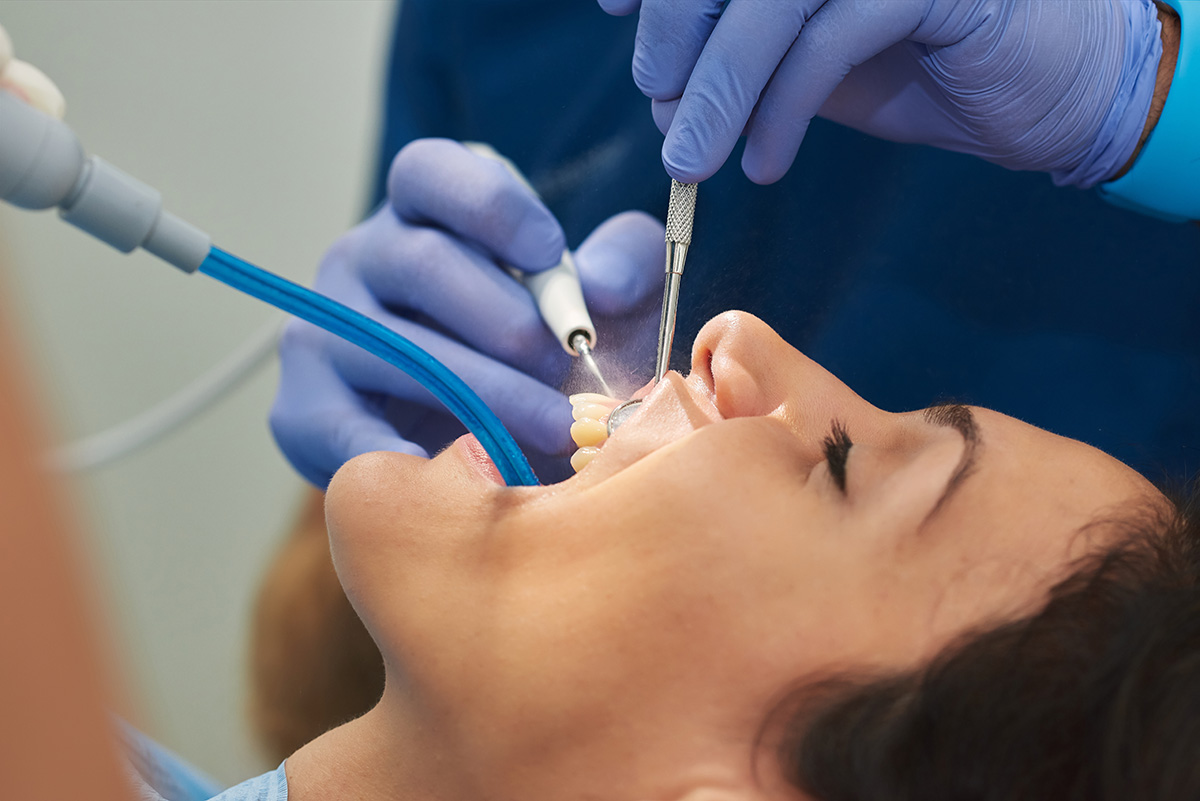
Despite regular brushing and flossing at home, plaque and tartar can still build up in hard-to-reach mouth areas. Plaque is a sticky film of bacteria that constantly forms on the teeth, and when it hardens, it turns into tartar. Tartar cannot be removed through regular brushing and flossing and requires professional dental cleaning.
Gum disease, also known as periodontal disease, is a common oral health issue caused by plaque buildup and tartar along the gumline. If left untreated, gum disease can lead to gum inflammation, gum recession, bone loss, and even tooth loss. Regular dental cleanings help prevent and manage gum disease by removing the harmful substances contributing to its development.
The dental professional thoroughly examines teeth and gums during dental cleaning. This examination can lead to the early detection of potential dental problems such as cavities, gum disease, oral infections, and even oral cancer. Early detection allows for prompt treatment, preventing further complications.
Using specialized dental tools, the dental professional will carefully remove the plaque and tartar from the teeth and along the gumline. This process is called scaling and may involve manual tools and ultrasonic scalers. Once the tartar is removed, the teeth will be brushed using a high-powered electric toothbrush and gritty toothpaste. This step helps remove any residual plaque or stains.
The dental professional will floss between the teeth to clean the areas that are difficult to reach with a regular toothbrush. You will be asked to rinse your mouth to remove any debris loosened during cleaning. The dentist or hygienist will conduct a final examination to ensure everything looks healthy and address any concerns or recommendations.

By removing plaque, tartar, and bacteria from your teeth and gums, dental cleanings help prevent gum disease, cavities, bad breath, and other oral health issues. For the best dental care, visit Wayne T. Yee, DDS, at 3125 Coffee Rd # 1, Modesto, CA 95355, or call (209) 529-2726.

Dental cleanings are professional procedures performed by a dentist or hygienist to remove plaque, tartar and surface stains from teeth. These visits focus on areas that are difficult to clean thoroughly at home and help lower the bacterial load in the mouth. Regular cleanings support long-term oral health by reducing the risk of cavities and gum inflammation.
Beyond removing deposits, cleanings include an examination of the gums and teeth to detect early signs of disease or other issues. Early identification of problems makes treatment simpler and less invasive. Routine cleanings are a cornerstone of preventive dental care and help maintain a healthy, comfortable smile.
The typical recommendation for many patients is a professional cleaning every six months, which helps control plaque and tartar buildup that occurs despite daily brushing and flossing. Some people require more frequent visits based on individual risk factors such as a history of gum disease, heavy plaque accumulation, smoking or certain medical conditions. Your dental team will evaluate your oral health and recommend a personalized interval that best protects your teeth and gums.
At the office of Wayne T. Yee, DDS the dentist or hygienist will review your periodontal measurements, decay risk and overall health to determine the appropriate schedule. Following the recommended frequency improves long-term outcomes and can reduce the need for more extensive treatment. Consistency with professional care combined with good home hygiene produces the best results.
A routine cleaning usually begins with a visual exam and a review of your dental history, followed by removal of plaque and tartar using hand instruments and an ultrasonic scaler. After scaling, the hygienist polishes the teeth with a rotating brush and gritty toothpaste to remove surface stains and smooth the enamel. The process ends with flossing and a final examination to confirm that the mouth looks healthy and clean.
During the visit the clinician will also check for signs of gum disease, cavities, oral lesions and other concerns that may require attention. X-rays or additional diagnostic tests may be recommended if a problem is suspected. The team will provide guidance on any follow-up care and home hygiene techniques tailored to your needs.
Most routine cleanings are comfortable and well tolerated, with many patients reporting only light pressure or mild sensitivity during scaling and polishing. Sensitivity can increase if there is significant tartar buildup, inflamed gums or exposed root surfaces, but clinicians use gentle techniques and can pause if you need a break. If you experience anxiety or discomfort, let the dental team know so they can adjust the approach or offer comfort measures.
For patients with advanced gum disease or deeper pockets, a more thorough cleaning such as periodontal therapy may involve additional discomfort and sometimes local anesthetic. Your dental provider will explain what to expect and discuss options to manage pain and sensitivity. Clear communication before and during treatment helps create a more comfortable experience.
Scaling and root planing is a deeper form of cleaning used to treat periodontal (gum) disease by removing plaque and tartar below the gumline and smoothing rough root surfaces. It is typically recommended when periodontal pockets develop and conservative, supra-gingival cleanings are no longer sufficient to control infection. The goal is to reduce pocket depth and create an environment where the gums can heal and reattach to the teeth.
This procedure may be performed over several visits and sometimes with local anesthesia to enhance comfort. After scaling and root planing, patients often require closer monitoring and may be placed on a periodontal maintenance schedule to prevent recurrence. Good home care and ongoing professional visits are essential to maintain the benefits of the treatment.
Dental cleanings remove the bacterial plaque and mineralized tartar that contribute to inflammation of the gums and destruction of supporting bone. By eliminating these deposits, cleanings reduce the bacterial challenge that causes gingivitis and periodontitis. Regular professional care also allows clinicians to spot early decay and intervene before more extensive treatment is needed.
Preventive cleanings work best when combined with effective daily oral hygiene, including proper brushing and interdental cleaning. Patients at higher risk for disease may receive additional preventive measures such as targeted fluoride, antimicrobial rinses or more frequent maintenance visits. Together, these steps minimize tissue damage and help preserve natural teeth for life.
Yes. Professional cleanings reduce sources of bad breath by removing plaque, tartar and bacteria that produce volatile compounds linked to halitosis. Addressing gum inflammation and removing trapped debris also contributes to fresher breath. For persistent halitosis, the dental team will evaluate for underlying causes such as periodontal disease, decay or systemic conditions.
Cleanings also polish away surface stains from coffee, tea and tobacco, producing a brighter smile and smoother tooth surfaces that resist new staining. While cleanings improve surface appearance, additional cosmetic treatments may be recommended for intrinsic discoloration or more significant aesthetic goals. Your provider can advise on the most appropriate options based on your concerns.
Medical conditions such as diabetes, autoimmune disorders and heart disease can influence oral health and may increase the risk of periodontal disease or infections. Patients with these conditions often benefit from more frequent monitoring and professional cleanings to manage inflammation and reduce systemic inflammation linked to oral disease. The dental team will coordinate with your medical providers as needed to ensure safe and effective care.
Good blood sugar control and adherence to medical treatment plans improve oral health outcomes and reduce complications. During dental visits clinicians will review your health history, medications and any symptoms that could affect treatment. Personalized prevention strategies and a tailored cleaning schedule help address the unique needs of medically complex patients.
Daily brushing with a fluoride toothpaste and cleaning between teeth with floss or interdental brushes are the foundation of home care between professional visits. Consistent technique and frequency—brushing twice a day and cleaning between teeth once daily—significantly reduce plaque accumulation and support gum health. Incorporating an antimicrobial mouthrinse or other products recommended by your dental team can provide additional protection when appropriate.
Maintaining a balanced diet, avoiding tobacco and staying hydrated also support oral health. If you notice bleeding gums, persistent bad breath or new tooth sensitivity, contact your dental provider promptly for evaluation. Early attention to symptoms often prevents progression and keeps treatment minimally invasive.
To schedule a dental cleaning, call our office at (209) 529-2726 where a member of the team will help find an appointment time that fits your schedule and review any necessary paperwork. When you call, please mention any health changes, current medications and whether you have concerns such as sensitivity or bleeding gums so the staff can prepare for your visit. For new patients, arriving a few minutes early to complete registration helps ensure a smooth check-in process.
Our office is located at 3125 Coffee Rd., Suite 1, Modesto, CA 95355 and provides preventive care focused on comfort and long-term oral health. If you have questions about what to expect during your first cleaning or need guidance on insurance or forms, the staff can guide you over the phone. Regular scheduling and open communication with your hygienist support the best outcomes for your smile.

