
Our Office
3125 Coffee Rd.
Suite 1
Modesto, CA 95355
Existing Patients: (209) 529-2726
New Patients: (209) 207-5740
Visit Us Online

A dental emergency is any sudden, unexpected event that causes pain or discomfort in your mouth or teeth. It can range from mild to severe and can happen at any time of day. Some common dental emergencies include broken or chipped teeth, toothaches, lost fillings, loose crowns, and more. If you have a dental emergency, seeing a dentist as soon as possible is essential. At Wayne T. Yee, DDS, we offer same-day appointments for dental emergencies. Our dentist will do everything possible to quickly get you out of pain and back to your routine.

If you have a toothache, try rinsing your mouth with salt water or applying a cold compress to your face. If the pain persists, contact your dentist right away.
If your tooth is knocked out, try to find it and rinse it off gently with water. Try to put the tooth back in its socket without touching the roots if you can. If you can’t put it back in, place it in a milk container and bring it to the dentist’s office.
If a crown or filling falls out, don’t panic! Just save the piece and make an appointment to see your dentist as soon as possible. In the meantime, use over-the-counter dental cement to reattach the crown temporarily or filling until you can see your dentist.
An abscessed tooth is a severe infection that can damage your teeth and gums. See a dentist immediately if you are experiencing symptoms of an abscessed tooth, such as severe pain, fever, or swollen lymph nodes.
Dental emergencies often come with intense pain and discomfort. Prompt treatment can provide immediate relief, alleviating the suffering and improving the patient's quality of life.
Addressing dental emergencies promptly can prevent the situation from worsening and minimize the risk of complications. Left untreated, dental issues can lead to infections, abscesses and even spread to other body parts, impacting overall health.
In knocked-out or dislodged teeth, seeking immediate attention increases the chances of saving the tooth. Quick re-implantation or stabilization measures can significantly improve the likelihood of tooth retention.
Immediate treatment can prevent further damage to teeth and surrounding tissues. For instance, promptly addressing a chipped or broken tooth can protect sensitive nerves and avoid complications.
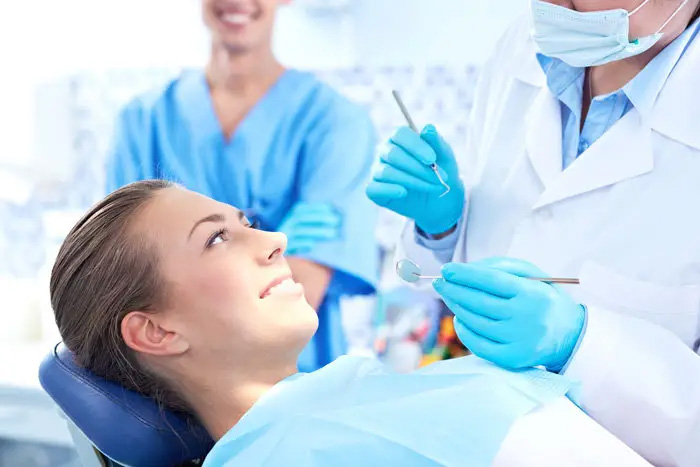
Seeking prompt emergency treatment during a dental emergency offers numerous benefits that can positively impact oral health, overall well-being, and the patient's peace of mind. Visit Wayne T. Yee, DDS, at 3125 Coffee Rd # 1, Modesto, CA 95355, or call (209) 529-2726 for the best dental care.

A dental emergency is any sudden problem involving the teeth, gums or supporting structures that causes significant pain, bleeding, swelling or a risk of permanent damage. Common examples include severe toothaches, a tooth that has been knocked out, a fractured tooth that exposes the nerve, uncontrolled oral bleeding and signs of a spreading infection. Problems that interfere with breathing or swallowing should be treated as medical emergencies and addressed immediately. Even issues that seem minor can worsen quickly, so prompt evaluation is important.
Timely care helps relieve pain, limits the risk of infection and increases the likelihood of saving natural teeth or restorations. Emergency treatment focuses first on stabilizing the condition and controlling symptoms, then on planning definitive care to restore oral health and function. If you are unsure whether a situation qualifies as an emergency, it is better to seek prompt professional advice than to delay. Early assessment reduces complications and often simplifies treatment.
If a permanent tooth is knocked out, find the tooth, pick it up by the crown and avoid touching the root. Rinse the tooth gently with water if it is dirty, but do not scrub or use soap, and try to reinsert it into the socket if possible; hold it in place and seek care immediately. If you cannot reinsert the tooth, store it in milk or in the patient’s saliva and get to the dentist right away, as prompt re-implantation offers the best chance for saving the tooth. Time is critical; survival rates decline the longer the tooth is out of the mouth.
For a baby tooth that is knocked out, do not attempt re-implantation because doing so can damage the developing permanent tooth. Control bleeding with gentle pressure using a clean cloth or gauze and apply a cold compress to reduce swelling. Bring the patient to the dentist for evaluation, even if the baby tooth cannot be reinserted, so the provider can assess the injury and monitor for complications. The dentist will advise on next steps to protect oral development and function.
Start by rinsing your mouth gently with warm salt water to help reduce inflammation and clean the area around the painful tooth. Use an over-the-counter pain reliever according to the manufacturer’s directions, and apply a cold compress to the outside of the cheek to reduce swelling and numb the area temporarily. Avoid placing aspirin directly on the gum or tooth because topical aspirin can irritate oral tissues and cause burns. Maintain an upright position and try to avoid chewing on the affected side until you can be seen.
Do not attempt to self-treat a deep infection or an exposed nerve; these conditions require professional care and may need antibiotics or root canal treatment. If you notice fever, swelling that spreads to the face or difficulty breathing or swallowing, seek immediate emergency care because these are signs of a potentially serious infection. Keep a record of what provokes or relieves the pain to share with the dentist, as that history helps guide diagnosis and treatment. Prompt clinical evaluation prevents complications and directs appropriate definitive care.
A lost filling or crown becomes an urgent issue when it causes pain, exposes the inner tooth structures, or leaves sharp edges that can cut the tongue or cheek. If the restoration has come out but you have no severe pain, save the piece and contact your dentist promptly for an appointment to repair or replace it. In the short term, you can protect the tooth by using a small piece of dental wax or a sugar-free piece of gum to cover sharp areas and avoid chewing on that side. Over-the-counter temporary dental cement can be used according to product instructions, but it is only a temporary measure until professional care is available.
Leaving a tooth without its restoration increases the risk of decay, further fracture and exposure of the nerve, which can lead to more invasive treatment. The dentist will evaluate the underlying tooth structure, determine whether the original restoration can be rebonded or must be replaced, and recommend the appropriate steps to restore function and appearance. Rapid attention usually simplifies treatment and reduces the chance of needing a root canal or extraction. Schedule an appointment as soon as possible to protect the tooth and prevent progression.
An abscess or oral infection often presents with persistent severe pain, swelling of the face or gums, localized redness and sensitivity, and sometimes a bad taste or foul-smelling drainage in the mouth. Systemic signs such as fever, swollen lymph nodes, fatigue or a general feeling of illness can indicate that the infection is spreading beyond the oral cavity. Difficulty opening the mouth, swallowing or breathing are red flags that require immediate medical attention. Any combination of these symptoms should prompt urgent evaluation by a dental professional.
Dental infections are caused by bacteria that can enter through cavities, cracks or gum disease and create pockets of pus that damage surrounding tissues if untreated. Early diagnosis and treatment—usually involving drainage, antibiotics when indicated and definitive dental care such as root canal therapy or extraction—prevent the infection from spreading and causing more serious health problems. Keeping up with emergency appointments helps control the infection quickly and reduces the likelihood of systemic complications. Follow-up care is important to resolve the source and restore oral health.
Yes, emergency treatment can often save a damaged or knocked-out tooth if action is taken quickly and appropriately. For a knocked-out permanent tooth, immediate re-implantation by a dental professional significantly increases the chances of long-term survival, especially when the tooth is kept moist and presented to the dentist within an hour. For fractured teeth, stabilizing broken pieces, protecting exposed nerve tissue and removing infection early can preserve the tooth and reduce the need for extraction. The specific outcome depends on the extent of the injury and how quickly care is provided.
After emergency stabilization, the dentist will assess whether additional restorative treatment, endodontic therapy or a crown is necessary to return the tooth to full function. Even when a tooth cannot be saved, emergency care focuses on pain control and planning for replacement options that protect adjacent teeth and oral health. Early professional intervention provides the best chance to maintain natural dentition and to minimize more complex procedures later on. Regular follow-up ensures healing and optimal long-term results.
The office of Wayne T. Yee, DDS offers same-day appointments for patients experiencing dental emergencies to address pain and urgent problems as quickly as possible. When you contact the office, staff triage the situation to determine urgency and schedule an appointment or provide immediate guidance for home care. On arrival, the team prioritizes examination, pain control and necessary emergency procedures to stabilize the condition and protect oral health. Prompt access reduces the risk of complications and improves treatment outcomes.
During an emergency visit the dentist will perform a focused exam, take any necessary imaging and discuss treatment options to relieve symptoms and address the underlying cause. The goal is to control infection, restore comfort and outline a treatment plan for definitive care, which may include follow-up appointments for restorations or further therapy. Patients can expect clear instructions for home care and a schedule for any required restorative or surgical procedures. The practice aims to make emergency visits efficient, compassionate and clinically thorough.
Bring a list of current medications, a brief description of how the injury or symptoms began and any relevant dental history to help the dentist make a quick and accurate assessment. If a restoration or tooth fragment was lost, bring it in a clean container because it may be possible to reattach or evaluate the piece. Expect a focused clinical exam, possibly imaging, and discussion of immediate treatment steps to control pain, stop bleeding or manage infection. The provider will explain short-term measures and recommend a definitive plan to restore function and appearance.
The initial visit may involve local anesthesia, temporary stabilization, cleaning or drainage and prescription medications if indicated to control infection and discomfort. After emergency care, the dentist will schedule any necessary follow-up appointments for restorative work, endodontic treatment or monitoring. You will receive instructions for home care and signs to watch for that require immediate re-evaluation. Clear communication and realistic expectations help ensure the best possible recovery and outcome.
Common causes of dental emergencies include trauma from accidents or sports, untreated tooth decay that progresses to infection, broken restorations and severe gum disease. Preventive measures such as wearing a properly fitted mouthguard during contact sports, maintaining excellent daily oral hygiene and attending regular dental checkups reduce the likelihood of emergencies. Addressing small problems early—repairing a cracked filling or treating a cavity—prevents them from becoming urgent issues that require emergency care. Education about safe habits and routine maintenance is a cornerstone of prevention.
Dietary choices also play a role; frequent consumption of sugary or acidic foods and beverages weakens enamel and raises the risk of decay and fractures. Quitting tobacco and moderating alcohol intake support gum health and reduce the chances of infection and delayed healing. For patients with habits such as teeth grinding, night guards and other protective measures can prevent stress-related fractures and wear. A combination of professional care and at-home prevention significantly lowers the risk of needing emergency treatment.
Emergency dental care for children shares the same priorities as adult care—relieve pain, control infection and stabilize the injury—but treatment decisions consider the child’s stage of dental development and emotional needs. For example, if a primary (baby) tooth is knocked out, dentists generally avoid re-implantation because of potential harm to the developing permanent tooth, whereas a knocked-out permanent tooth in an older child may be re-implanted. Behavior management techniques and clear communication with caregivers are important to reduce anxiety and ensure a cooperative visit.
Pediatric emergency visits often include guidance for parents on home care, monitoring for developmental issues and planning follow-up to track healing and dental development. The dentist will assess the need for protective measures, such as mouthguards for sports or early intervention for habits that could cause future problems. Prompt professional attention for children helps prevent complications, supports proper oral development and provides reassurance to families during urgent situations.

