
Our Office
3125 Coffee Rd.
Suite 1
Modesto, CA 95355
Existing Patients: (209) 529-2726
New Patients: (209) 207-5740
Visit Us Online

A tooth extraction is a procedure that removes a tooth from the mouth. Tooth extractions are performed under local anesthesia. At Wayne T. Yee, DDS, extractions are performed for various reasons, including tooth decay, infection, and crowding. There are two types of extractions: simple and surgical. Simple extractions are performed on teeth that are above the gum line. Surgical extractions are required when a tooth is below the gumline or has broken off at the gum line.
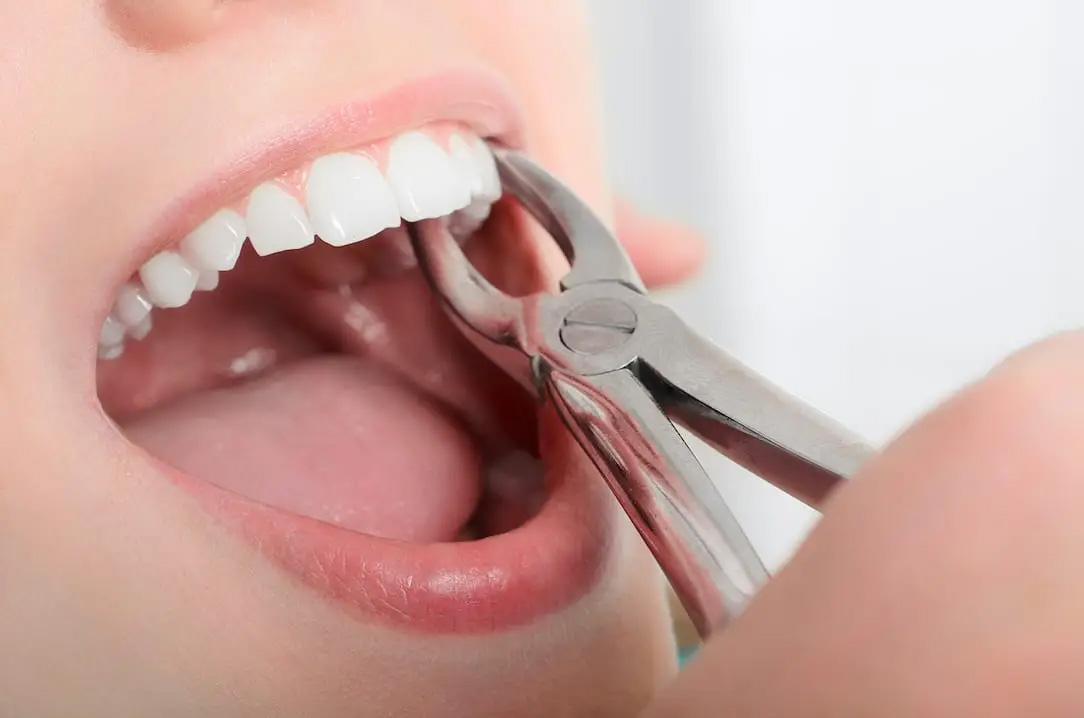
One of the most common reasons for dental extractions is severe tooth decay. When tooth decay progresses to an advanced stage and significantly compromises the tooth's structure, the tooth may no longer be salvageable. In such cases, extraction is necessary to prevent the decay from spreading to other teeth and causing more significant oral health issues.
Gum disease is a bacterial infection that affects the gums and supporting structures of the teeth. In advanced stages of gum disease, the gums may recede, and the teeth may become loose due to the destruction of the underlying bone and tissues. In severe cases, tooth extraction may be the only viable option to prevent the spread of infection to other teeth and preserve oral health.
Orthodontic treatments, such as braces or aligners, are commonly used to correct teeth misalignment and improve bite function. In some cases of severe overcrowding, where there is insufficient space in the jaw for all the teeth, dental extractions may be necessary. By removing a tooth or teeth, orthodontists can create the required space for the remaining teeth to align correctly.
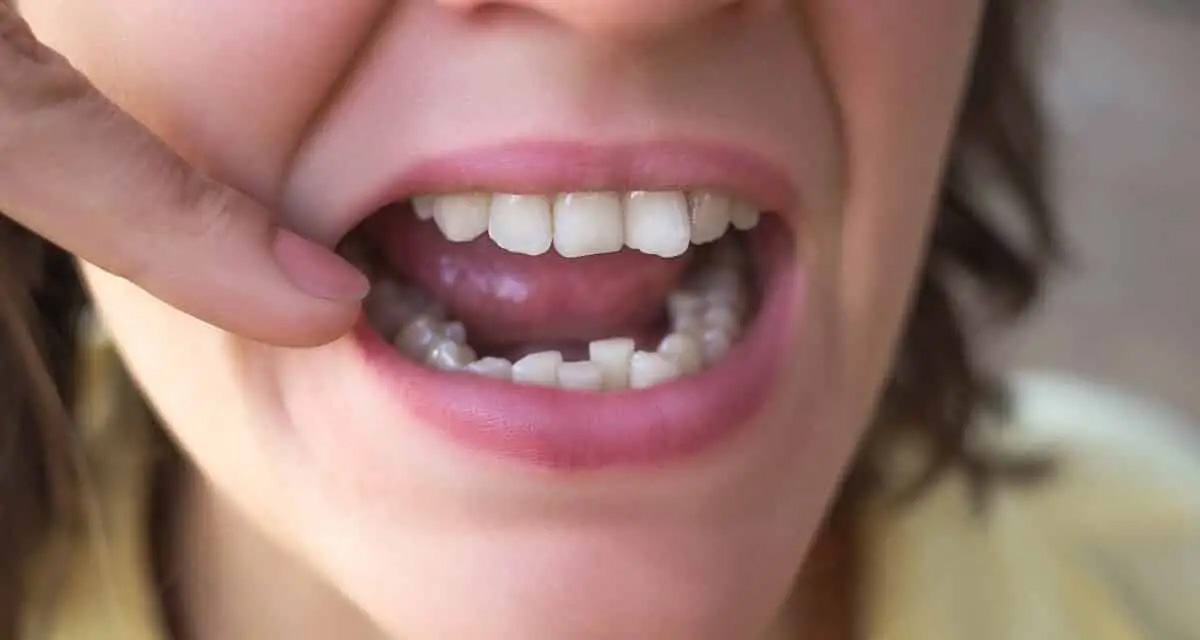
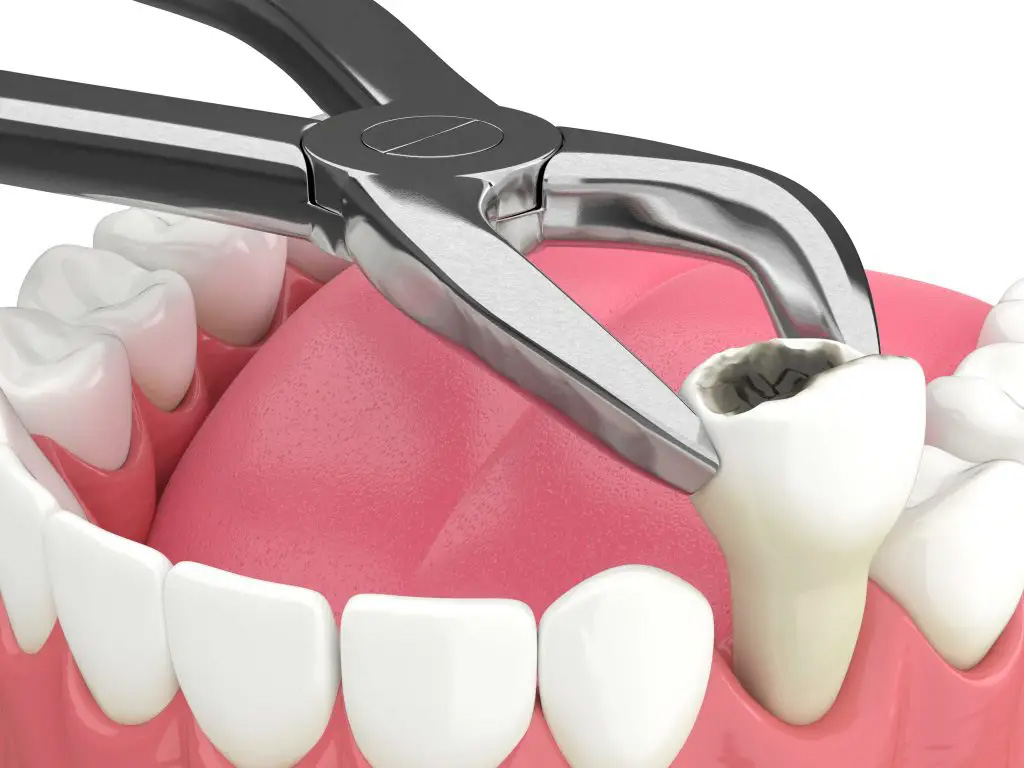
Before proceeding with a dental extraction, the dentist will thoroughly examine the tooth and surrounding tissues. Dental X-rays may be taken to assess the tooth's position, roots, and relationship with neighboring structures. To ensure a painless experience, the dentist will administer a local anesthetic to numb the area around the tooth to be extracted.
Once the area is numb, the dentist will carefully loosen the tooth from its socket using specialized dental instruments. Depending on the tooth's condition and position, the dentist may need to rock it back and forth to facilitate its removal gently. After the tooth is extracted, the dentist may place gauze over the extraction site to control bleeding. Patients will receive detailed aftercare instructions to promote healing and minimize discomfort.
Dental extractions are essential when preserving a tooth is no longer possible or addressing specific dental issues. For the best dental care, visit Wayne T. Yee, DDS, at 3125 Coffee Rd # 1, Modesto, CA 95355, or call (209) 529-2726. You can ensure a smooth recovery and maintain your oral health and beautiful smile for years with proper professional dental care and post-operative care.

A tooth extraction is a dental procedure that removes a tooth from its socket in the jaw. Extractions are used when a tooth cannot be preserved through restorative treatment or when it poses a risk to surrounding teeth and tissues. The procedure is performed in the dental office under anesthesia to control pain and keep the patient comfortable.
Extractions can range from straightforward removals of fully erupted teeth to more complex surgical procedures for impacted or broken teeth. Your dentist will evaluate the tooth with a clinical exam and dental X-rays before recommending extraction. The goal is to resolve pain, infection, or functional problems while preserving overall oral health.
A simple extraction is performed on teeth that are visible in the mouth and can usually be removed with forceps after the area is numbed with local anesthesia. Surgical extraction is needed when a tooth is not easily accessible, such as when it is broken at the gum line, has multiple or curved roots, or is impacted beneath the gum. Surgical procedures may require small incisions, removal of bone, or sectioning the tooth into pieces to allow safe removal.
Both types of extraction follow the same principles of infection control and patient comfort, but surgical extractions typically take more time and involve additional aftercare considerations. Your dentist will explain which approach is appropriate based on the tooth’s position, root shape, and surrounding anatomy. Preoperative X-rays help plan the safest method and reduce risk during removal.
A dentist may recommend extraction for several reasons, including severe tooth decay that has destroyed the tooth structure, an infection that cannot be resolved with root canal therapy, or advanced periodontal disease causing loose teeth. Extractions are also recommended when teeth are impacted, when crowding prevents proper orthodontic movement, or when a non-restorable fracture occurs. The recommendation is based on clinical findings and imaging that indicate the tooth cannot be predictably saved.
In some cases extraction is part of a larger treatment plan to protect overall oral health or prepare the mouth for restorative options like implants or dentures. Removing a problematic tooth can eliminate sources of pain and infection and prevent damage to neighboring teeth. Your dentist will discuss alternatives and the likely outcomes of extraction compared with other treatments.
Pain control is a primary concern during extractions, and local anesthesia is routinely used to numb the area so the procedure is painless. Many patients feel pressure or movement but not sharp pain while the tooth is being removed; dentists take steps to ensure adequate numbness before proceeding. For patients with anxiety or complex surgical needs, additional sedation options may be available and will be discussed ahead of time.
After the anesthetic wears off, mild to moderate soreness is common and usually controlled with over-the-counter or prescribed pain relievers and cold therapy. Your dentist will provide specific post-operative instructions to manage discomfort and reduce swelling. If pain worsens or is accompanied by fever or heavy bleeding, contact the dental office promptly for evaluation.
Before extraction the dentist reviews your medical history, takes any necessary X-rays, and explains the steps of the procedure and aftercare. The area is numbed with local anesthetic, and for surgical extractions a small incision or minimal bone removal may be performed to access the tooth. The dentist then loosens and removes the tooth using appropriate instruments and places gauze to help form a clot in the socket.
Once the extraction is complete you will receive written and verbal aftercare instructions covering oral hygiene, activity restrictions, diet, and signs of complications. Most patients can return home the same day and resume normal activities within a few days while following post-operative guidelines. Follow-up visits may be scheduled to check healing and discuss tooth replacement if needed.
Extractions are generally safe, but like any procedure they carry some risk of complications such as prolonged bleeding, infection, dry socket (a painful loss of the blood clot), or damage to adjacent teeth or tissues. The likelihood of complications depends on factors like the tooth’s condition, the complexity of the extraction, and the patient’s overall health and oral hygiene. Proper surgical technique and preoperative planning help minimize these risks.
If complications occur your dentist will provide prompt treatment, which may include antibiotics for infection, special dressings for dry socket, or additional measures to control bleeding. Patients should follow aftercare instructions closely and contact the office if they experience increasing pain, swelling, pus, fever, or uncontrolled bleeding. Early communication with the dental team allows timely management and better outcomes.
After an extraction it is important to protect the blood clot that forms in the socket because it is essential for proper healing. Avoid vigorous rinsing, spitting, drinking through a straw, or smoking for at least 24 to 48 hours to reduce the risk of dislodging the clot. Follow the dentist’s instructions for gently rinsing with salt water or a prescribed mouth rinse after the initial healing period.
Keep your diet soft and nutritious for the first few days and maintain good oral hygiene by brushing and flossing nearby teeth carefully while avoiding direct contact with the extraction site. Apply ice to reduce swelling and take medications exactly as directed to manage pain and prevent infection. If you notice increasing pain, swelling, or unusual drainage, contact the dental office for evaluation and care.
Initial healing of the soft tissues typically occurs within one to two weeks, but the deeper bone can take several months to fully remodel and fill the extraction socket. Most patients experience the most discomfort during the first 48 to 72 hours, with progressively less pain and swelling thereafter. Following aftercare instructions helps speed recovery and reduces the chance of complications that could prolong healing.
Factors such as the complexity of the extraction, presence of infection, medical conditions, and smoking can affect healing time. Your dentist will provide a timeline tailored to your situation and schedule follow-up visits as needed to monitor bone and soft tissue healing. Long-term planning for tooth replacement, if needed, will consider the healing stage of the site.
Replacing a missing tooth helps restore function, aesthetics, and the health of the bite; common options include dental implants, fixed bridges, and removable partial dentures. Dental implants provide a long-term solution by replacing the tooth root with a titanium implant that supports a crown, while bridges replace the missing tooth using adjacent teeth as support, and dentures replace multiple teeth or a full arch. The best option depends on factors such as bone volume, the number of missing teeth, overall oral health, and patient goals.
Your dentist will discuss the pros and cons of each replacement method and may recommend bone grafting or other preparatory procedures if necessary to achieve a predictable result. Treatment planning usually involves diagnostic imaging and a review of medical history to ensure safe, lasting outcomes. Choosing an appropriate replacement helps preserve surrounding teeth and supports proper chewing and speech.
If you are experiencing severe pain, swelling, uncontrolled bleeding, or signs of spreading infection, contact the office promptly to arrange an emergency evaluation. The office of Wayne T. Yee, DDS is located at 3125 Coffee Rd., Suite 1, Modesto, CA 95355 and the main office number is (209) 529-2726 for appointment requests and urgent care inquiries. The dental team will triage your situation, advise on immediate self-care measures, and schedule an appointment based on the urgency of your condition.
For non-emergency extractions your dentist will perform a comprehensive exam and review X-rays to plan the safest approach and discuss anesthesia and aftercare. Preoperative instructions will be provided to prepare you for the appointment and reduce the risk of complications. Clear communication with the dental team before and after the procedure helps ensure successful treatment and a smooth recovery.

