
Our Office
3125 Coffee Rd.
Suite 1
Modesto, CA 95355
Existing Patients: (209) 529-2726
New Patients: (209) 207-5740
Visit Us Online

Dentures have long been a popular solution for replacing missing teeth and restoring smiles. However, traditional dentures may have challenges such as discomfort, slippage, and difficulty eating and speaking. Fortunately, advancements in dental technology have led to the development of implant-supported dentures, a revolutionary solution that offers stability, comfort, and a confident smile. Implant-supported dentures, also known as overdentures or implant-retained dentures, are a type of dental prosthetic that combines the stability of dental implants with the convenience of dentures. Unlike traditional dentures that rest on the gums, implant-supported dentures are securely attached to dental implants anchored in the jawbone, providing a stable and comfortable foundation for the replacement teeth. For more information, visit At Wayne T. Yee, DDS.
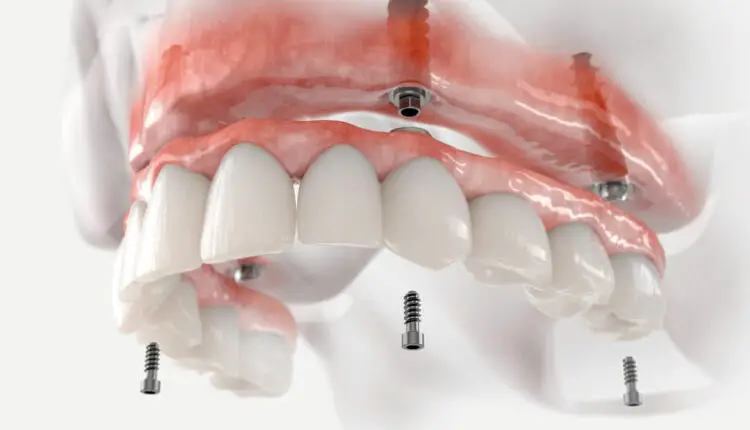
Implant-supported dentures offer unmatched stability, preventing slippage or movement while eating or speaking. This ensures that you can enjoy your favorite foods and speak with confidence.
Traditional dentures can sometimes cause sore spots or discomfort due to pressure on the gums. Implant-supported dentures eliminate this issue by distributing the biting and chewing forces to the implants, making them more comfortable to wear.
With implant-supported dentures, you can regain the functionality of your natural teeth. You can chew more effectively, leading to better digestion and improved nutrition.
Dental implants stimulate the jawbone, preventing bone loss that occurs with traditional dentures. This helps maintain facial structure and avoid the sunken appearance often associated with tooth loss.
Implant-supported dentures eliminate the fear of dentures slipping or falling out, providing you with the confidence to smile, speak, and interact with others without worry.

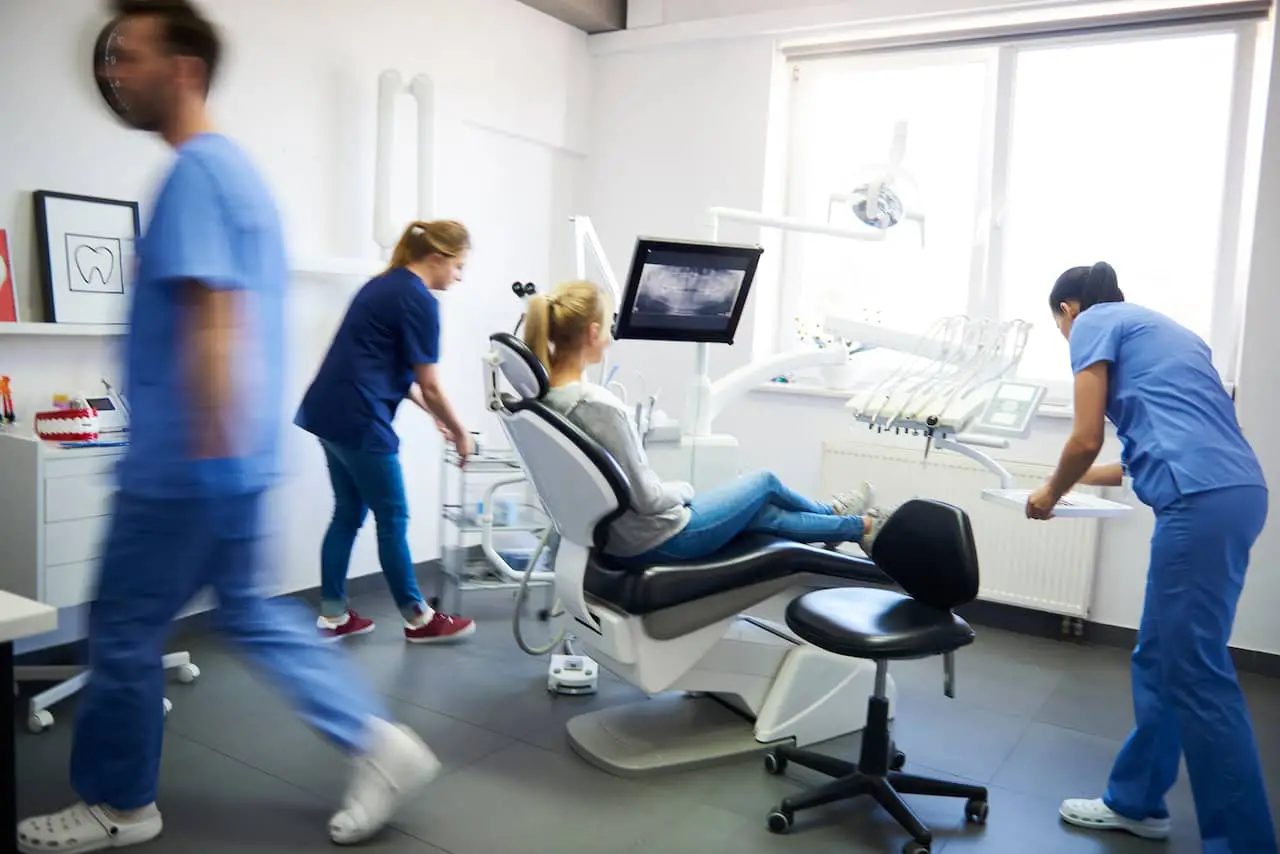
During the initial consultation, your dentist will assess your oral health, determine if you are a suitable candidate for implant-supported dentures, and create a personalized treatment plan. The dental implants are surgically placed into the jawbone under local anesthesia. Over several months, the implants will fuse with the bone through osseointegration, providing a stable base for the denture.
Once the implants have integrated with the jawbone, abutments are attached to the implants. The abutments are small connectors that hold the denture in place. Impressions of your mouth are taken to create a custom-made denture that will fit securely over the abutments. The final step involves attaching the denture to the abutments. The denture will be securely fixed, providing a stable and functional smile.
Remember, with implant-supported dentures, and you can regain the joy of eating, speaking, and smiling confidently, allowing you to enjoy life to the fullest with a complete and beautiful smile. Contact Wayne T. Yee, DDS, at 3125 Coffee Rd # 1, Modesto, CA 95355, or call (209) 529-2726 to learn more.
Implant-supported dentures are prosthetic sets of teeth that are held in place by dental implants anchored in the jawbone. They combine the retention and stability of implants with the form and function of a denture to restore chewing ability and appearance. These prostheses can be designed as removable overdentures or as fixed restorations depending on clinical needs.
The implants act as artificial tooth roots and connect to the denture through abutments, bars, or locator attachments, providing far greater stability than a conventional denture. Because the denture is supported by implants instead of relying solely on gum tissue suction, patients typically experience improved comfort and confidence when speaking and eating. Treatment planning and prosthesis design are tailored to each patient’s anatomy and functional goals.
Good candidates generally have one or more missing teeth, sufficient jawbone to support implants, and healthy gum tissue free of active infection. Patients with chronic uncontrolled conditions may need medical clearance, and bone grafting can be considered when natural bone volume is inadequate. Age alone is not a limiting factor; overall health and oral conditions guide candidacy.
During the consultation, clinicians evaluate oral and medical history, take radiographs or 3-D imaging, and assess bite and jaw relationships to determine the appropriate approach. The goal is to select a plan that maximizes long-term function and minimizes complications. At the office of Wayne T. Yee, DDS, the team collaborates with patients to set realistic expectations and develop individualized treatment plans.
Traditional dentures rest on the gums and rely on suction, adhesives, and the surrounding soft tissues for retention, which can allow for movement during eating and speaking. Implant-supported dentures attach to implants in the jaw, which provides mechanical retention and greatly reduces slipping or shifting. This difference improves chewing efficiency and often enhances speech clarity compared with conventional removable dentures.
Another important distinction is that implants help preserve the underlying jawbone by transmitting functional forces into the bone, whereas conventional dentures can accelerate bone resorption over time due to lack of stimulation. Implant-supported prostheses therefore tend to maintain facial structure and fit better for longer periods. Maintenance routines and clinical follow-up remain important for both types, but implant-supported options typically require fewer adjustments for fit.
The process begins with a comprehensive exam, imaging, and treatment planning to determine implant number, position, and prosthesis type. Surgical placement of implants is performed under local anesthesia or conscious sedation when appropriate, and implants are then allowed to integrate with the bone over a period of weeks to months. After osseointegration, abutments are attached and impressions are taken to fabricate the final denture.
Timelines vary based on bone quality, the need for extractions or grafting, and whether immediate loading is appropriate, but most patients can expect multiple appointments spanning several months from planning to final restoration. Temporary prostheses may be provided to maintain function and esthetics during healing. Regular post-operative visits ensure proper healing and allow fine-tuning of the prosthesis for comfort and function.
Daily oral hygiene is essential and includes brushing the denture prosthesis and cleaning around implant abutments or attachments to remove plaque and food debris. For removable overdentures, remove and rinse the prosthesis, clean the attachments, and brush remaining natural teeth and gums thoroughly. Interdental brushes, water flossers, or floss designed for implants can help clean hard-to-reach areas around implants and under the denture.
Routine professional care is equally important; schedule regular dental visits for implant maintenance, hygienic cleanings, and inspections of the prosthesis and attachment components. Your clinician will advise on the best cleaning tools and techniques for your specific attachment system and may recommend periodic professional replacement of worn components. Consistent home care and follow-up reduce the risk of inflammation and prolong the life of both implants and the denture.
Implant-supported dentures provide greater stability than conventional dentures, allowing improved chewing efficiency and broader food choices without fear of slipping. They often restore more natural speech and facial support, which can enhance appearance and self-confidence. Many patients report increased comfort because biting forces are transferred to implants rather than concentrated on the gums.
Beyond functional advantages, implants help preserve the jawbone by stimulating bone tissue and reducing the bone loss commonly associated with long-term tooth loss. Stable prostheses also require fewer adjustments for fit as the underlying support structure remains consistent. Together, these benefits contribute to improved oral health and quality of life for many patients.
Like any surgical treatment, implant placement carries risks such as infection, bleeding, swelling, and temporary discomfort, and there is a small chance of implant failure if osseointegration does not occur. Peri-implantitis, an inflammatory condition affecting the tissues around an implant, can develop if plaque control is inadequate and may threaten implant stability. Nerve or sinus involvement is uncommon but can occur depending on implant location and anatomy.
Careful case selection, meticulous surgical technique, and good oral hygiene minimize these risks, and clinicians monitor healing and prosthesis fit closely during follow-up visits. If complications arise, timely treatment—ranging from improved hygiene protocols to surgical intervention—can often address problems before implants are lost. Your dental team will explain risk factors and signs to watch for during the consultation and recovery period.
Longevity depends on multiple factors including implant quality, prosthesis design, oral hygiene, and regular professional maintenance; implants themselves can last many years or decades when properly cared for. The denture prosthesis may require periodic maintenance such as relining, repair, or replacement of teeth or attachment parts due to wear. Some attachment components are designed to be replaced or adjusted at regular intervals to maintain optimal retention.
Consistent home care and routine dental visits for hygiene and checkups are the best predictors of long-term success. Your clinician will provide a maintenance schedule tailored to your prosthesis type and oral condition, and addressing minor issues early can prevent more extensive repairs. With proper care, many patients enjoy predictable function and esthetics for a long time.
Most patients find that implant-supported dentures feel more secure and closer to natural teeth than conventional dentures, thanks to the stability provided by the implants. Because the prosthesis moves much less, many wearers experience clearer speech and fewer concerns about accidental slippage. An adaptation period is normal as the tongue and muscles adjust to the new prosthesis and bite pattern.
Speech changes are usually temporary and improve as patients become accustomed to the prosthesis; clinicians provide guidance on exercises and strategies to speed adaptation when needed. Proper prosthesis design, occlusion, and fit all contribute to a comfortable, natural-feeling result, and adjustments can be made to fine-tune function and comfort during follow-up visits.
Preparation includes a thorough medical and dental evaluation, imaging to assess bone and anatomical structures, and planning for any necessary extractions or grafting procedures. Patients should discuss medications, tobacco use, and systemic health conditions with their dental team, as these factors can affect healing and treatment sequencing. Clear preoperative instructions are provided regarding eating, medications, and transportation if sedation is used.
Recovery after implant surgery typically involves mild to moderate discomfort, swelling, and temporary changes in diet for a few days to weeks depending on the extent of surgery. Pain can usually be managed with prescribed or over-the-counter medications and by following post-operative care instructions such as soft foods and gentle oral hygiene. Follow-up appointments monitor healing and guide the timing for subsequent restorative steps to complete the denture.
Begin by scheduling a consultation to discuss your goals, medical history, and treatment options so the dental team can evaluate your candidacy and create a personalized plan. The initial visit typically includes a clinical exam, digital or radiographic imaging, and a discussion of prosthesis types and timelines so you understand each step of care. Bring a list of medications and any relevant medical records to help the team assess overall health and plan safely.
To arrange an evaluation or ask questions about the process, contact the office of Wayne T. Yee, DDS to request an appointment and learn more about the services offered. The practice will guide you through diagnostic steps, explain recommended options, and coordinate the sequence of care to achieve a stable, functional result.

