
Our Office
3125 Coffee Rd.
Suite 1
Modesto, CA 95355
Existing Patients: (209) 529-2726
New Patients: (209) 207-5740
Visit Us Online

Oral cancer refers to any cancer that develops in the mouth, including the lips, tongue, gums, inner cheeks, roof, floor of the mouth, and throat. It is typically classified as head and neck cancer. If left undetected and untreated, oral cancer can spread to other parts of the body, leading to severe complications and a reduced chance of survival. At Wayne T. Yee, DDS, oral cancer screenings are an essential part of preventive dental care, as they help identify suspicious signs and symptoms in the mouth, allowing for timely intervention.
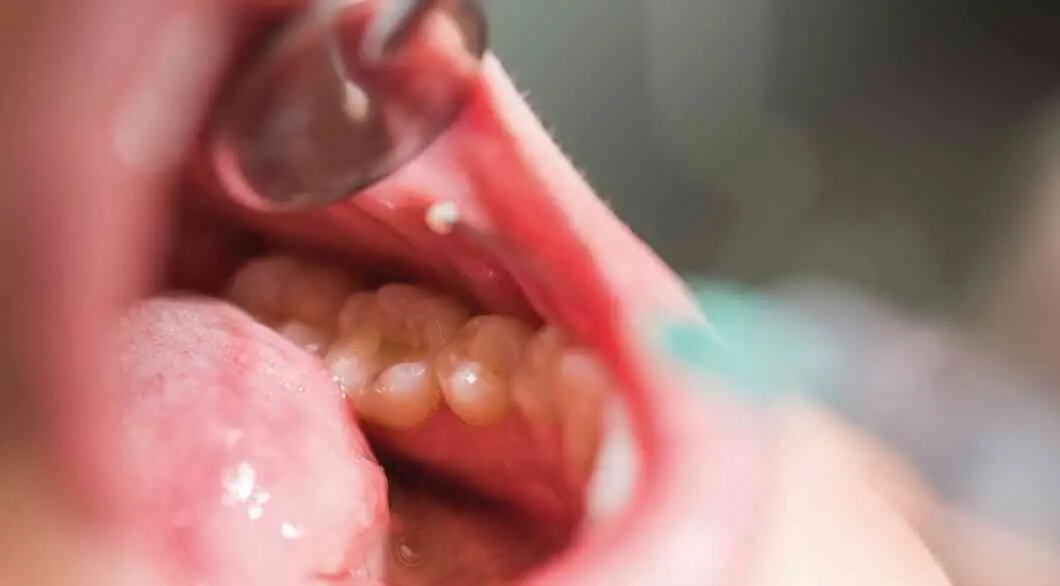
In any form, tobacco use is the most significant risk factor for oral cancer. Smoking cigarettes, cigars, pipes, and smokeless tobacco exposes the oral tissues to harmful chemicals and carcinogens. These substances damage the DNA in the cells, leading to abnormal cell growth and the potential development of oral cancer. Smoking also weakens the immune system, making it harder for the body to fight off cancerous cells.
Heavy and prolonged alcohol consumption is another leading cause of oral cancer. Alcohol can irritate and damage the cells lining the mouth and throat, increasing the risk of malignant cell transformation. Additionally, alcohol can act as a solvent, allowing harmful chemicals from tobacco to penetrate the oral tissues more quickly. When alcohol and tobacco use are combined, the risk of oral cancer is even higher.
The primary and most profound benefit of oral cancer screening is early detection. In its initial stages, oral cancer often develops without noticeable symptoms, making it challenging for individuals to recognize the signs independently. Routine screening allows dental professionals to identify potential abnormalities when the condition is most treatable. Early detection significantly improves the chances of successful treatment and long-term survival.
When oral cancer is detected early, treatment is often less invasive and more effective. Early-stage oral cancer typically requires less aggressive surgeries and treatments, resulting in fewer side effects and a faster recovery. With a comprehensive screening, the dentist can determine the extent of the disease and develop a personalized treatment plan tailored to the patient's specific needs.
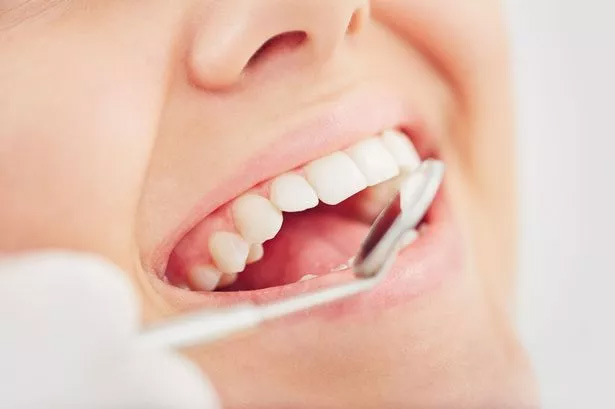
Regular screenings during routine dental visits can help identify potential oral cancer at an early stage, leading to improved treatment outcomes and a higher chance of survival. For the best dental care, visit Wayne T. Yee, DDS, at 3125 Coffee Rd # 1, Modesto, CA 95355, or call (209) 529-2726. Your oral health is crucial for your overall well-being, so don't hesitate to seek professional dental care and screening to ensure a safer smile and a healthier you!

An oral cancer screening is a focused examination of your mouth, lips, tongue, gums and nearby tissues to look for early signs of abnormal or precancerous changes. Dental professionals perform this check visually and by palpating tissues to identify lumps, white or red patches, sores that do not heal, or other unusual findings. Screenings may also include the use of adjunctive light or tissue visualization tools to help highlight areas that need closer evaluation. The purpose is to detect potential problems early when treatment is most effective and less invasive.
Oral cancer screenings are a routine part of a comprehensive dental exam and do not require special preparation. Because early-stage oral cancer can be painless and symptom-free, regular screening helps identify changes patients might not notice on their own. If a suspicious area is found, your dentist will explain next steps, which can include closer observation, photos, or referral for diagnostic testing. Early detection improves treatment options and can significantly affect long-term outcomes.
Oral cancer screening is recommended for most adult patients during routine dental visits, and it is especially important for people with known risk factors. Those who use tobacco in any form, consume alcohol heavily, have a history of significant sun exposure to the lips, or have been exposed to human papillomavirus (HPV) are at higher risk and should be screened consistently. People over the age of 45 and anyone with persistent mouth sores, difficulty swallowing, or unexplained weight loss should also be evaluated promptly. Your dentist will assess your personal risk and suggest an appropriate screening frequency.
Screening can be tailored to individual health histories, and dentists often incorporate it into twice-yearly cleanings for many patients. If you have a family history of head and neck cancers or a prior history of oral lesions, your dentist may recommend more frequent checks. Pregnant patients and those with immune-compromising conditions should mention these factors so the provider can consider them during the exam. Open communication about your health and habits helps the dental team provide the most effective screening plan.
Common signs and symptoms of oral cancer include persistent sores or ulcers that do not heal, white or red patches on the lining of the mouth, and unexplained lumps or thickened areas. Other warning signs include persistent pain or numbness in the mouth or lips, difficulty chewing or swallowing, a change in voice or chronic sore throat, and loose teeth without an obvious cause. Symptoms can be subtle at first and may be mistaken for minor dental issues, which is why routine professional screening matters. Any persistent or unexplained oral change lasting more than two weeks should prompt evaluation by a dental professional.
Because early stages of oral cancer are often asymptomatic, relying solely on symptoms can delay diagnosis. Dentists are trained to recognize visual and tactile clues that patients may overlook, such as small mucosal changes or firm areas beneath healthy-looking tissue. If a suspicious finding is present, documentation and monitoring or referral for biopsy and medical evaluation will be recommended. Timely assessment of symptoms and findings improves the chances of successful treatment.
Several established risk factors increase the likelihood of oral cancer, including tobacco use in any form, heavy alcohol consumption, and infection with certain strains of human papillomavirus (HPV). Prolonged sun exposure to the lips, a weakened immune system, poor oral hygiene, and a history of previous head and neck cancers also raise risk. Age and genetic predisposition can contribute as well, with most cases occurring in middle-aged and older adults. Understanding these risk factors helps your dental team identify who may need more frequent or detailed screening.
Combining risk factors multiplies overall risk; for example, tobacco and heavy alcohol use together significantly increase the chance of malignant changes. Discussing your lifestyle, medical history and occupational exposures with your dentist allows for a personalized risk assessment and prevention plan. The dental team can provide guidance on risk reduction and early detection tailored to your specific circumstances. Awareness and targeted screening are powerful tools for lowering the impact of oral cancer.
An oral cancer screening typically begins with a visual inspection of the lips, oral mucosa, tongue, floor and roof of the mouth, and the back of the throat under good lighting. The dentist or hygienist will gently feel the tissues of your mouth and neck to detect any lumps, firm areas or abnormalities in texture. Adjunctive tools such as tissue fluorescence or specialized light systems may be used to enhance visualization of suspicious areas, though these devices supplement rather than replace a careful clinical exam. The procedure is quick, noninvasive and usually completed within the time of a regular dental checkup.
If the clinician identifies an area of concern, they will document its location and appearance, possibly take photographs, and discuss follow-up options. Follow-up may involve a short-term observation period, referral to an oral surgeon or ENT specialist, or a biopsy to obtain a definitive diagnosis. Clear communication about findings and the rationale for recommended next steps helps patients understand the diagnostic process and expected timeline. The goal is to move promptly from detection to diagnosis when necessary.
No, an oral cancer screening is not painful or invasive for most patients and is performed as part of a routine dental exam. The clinician uses visual inspection and gentle palpation to assess tissues, which may cause minimal pressure but no significant discomfort. If a suspicious area is present and a biopsy is recommended, that diagnostic procedure may involve local anesthesia and minor tissue removal; your dentist or specialist will explain what to expect. Any follow-up testing is done with patient comfort and safety as priorities.
Patients with strong gag reflexes, dental anxiety or sensitivity can discuss accommodations with the dental team to make the exam more comfortable. Because screening is simple and low-risk, it is an efficient way to identify issues early without exposing patients to unnecessary procedures. If you have concerns about pain or invasiveness, your provider will walk you through the steps and answer questions before proceeding.
Frequency of oral cancer screening depends on your personal risk profile, but many adults receive a screening at every routine dental checkup, typically every six months. Patients with higher risk factors—such as tobacco or heavy alcohol use, HPV exposure, a history of head and neck cancer, or persistent oral lesions—may need more frequent monitoring and closer follow-up. Your dentist will discuss an individualized schedule based on your health history, clinical findings and any ongoing symptoms. Regular, risk-based screening is the most effective approach to early detection.
In-office screenings are quick and can be incorporated into regular preventive care without additional appointments, which improves adherence to recommended intervals. If you notice any new oral symptoms between visits, it is important to contact your dental office right away so the team can evaluate those changes promptly. Ongoing communication and routine examinations work together to reduce the likelihood of late-stage diagnosis.
If your dentist finds a suspicious lesion during screening, they will explain the observation, document the size and location, and discuss options for next steps in diagnosis or management. Common steps include scheduling a short-term recheck to see if the area resolves, photographing the site for comparison over time, referring you to an oral surgeon or ENT specialist, or arranging for a biopsy to determine whether the tissue is benign or malignant. The choice depends on the appearance of the lesion, your risk factors and clinical judgment.
A biopsy provides a definitive diagnosis and guides treatment planning if abnormal cells are present, and specialists coordinate care with other medical providers when needed. If malignancy is diagnosed, timely referral to an oncology team allows for a coordinated approach to treatment that may involve surgery, radiation or other therapies. Throughout the process, your dental team will aim to provide clear information and support to help you navigate diagnostic and treatment options.
Yes, several lifestyle changes can meaningfully reduce the risk of oral cancer, including quitting tobacco in all forms and limiting alcohol consumption. Protecting the lips from excessive sun exposure by using lip balm with SPF and wearing wide-brimmed hats can lower the risk of lip cancers, and getting vaccinated against HPV when appropriate reduces the risk of HPV-related oral cancers. Maintaining good oral hygiene and attending regular dental checkups also help by enabling early detection of suspicious changes.
Adopting healthier habits such as a balanced diet rich in fruits and vegetables, avoiding betel nut or other known carcinogens, and seeking help for tobacco cessation are practical steps that reduce overall cancer risk. Your dental team can provide resources or referrals for cessation programs and advise on protective measures. Combining prevention and regular screening creates the best strategy for lowering both the chance of developing oral cancer and the likelihood of delayed diagnosis.
The office of Wayne T. Yee, DDS integrates oral cancer screening into comprehensive dental exams so patients benefit from consistent, thorough checks during routine care. Our team emphasizes prevention, early detection and patient education to ensure that suspicious findings are identified promptly and managed with appropriate follow-up. We use current clinical protocols and adjunctive tools when indicated to support careful evaluation of oral tissues and to help guide referral decisions when further diagnostic steps are needed.
Choosing a dental office that routinely prioritizes screening can make a significant difference in early diagnosis and treatment outcomes. If you have concerns about risk factors or symptoms, discussing them during your appointment helps the team tailor screening and monitoring to your needs. The practice is committed to clear communication, patient comfort and coordinated care to support the best possible oral health outcomes.

