
Our Office
3125 Coffee Rd.
Suite 1
Modesto, CA 95355
Existing Patients: (209) 529-2726
New Patients: (209) 207-5740
Visit Us Online

Oral health is crucial to overall well-being, and regular oral exams are vital in maintaining a healthy and radiant smile. Oral exams conducted by dental professionals at Wayne T. Yee, DDS, are comprehensive evaluations of the mouth, teeth, and surrounding tissues. These routine check-ups go beyond merely examining the teeth; they help detect early signs of dental issues, promote preventive care, and ensure optimal oral health. Oral exams are an essential part of preventive dental care. They allow dental professionals to regularly assess and monitor a patient's oral health. Through oral exams, potential dental problems can be identified early, allowing timely intervention and treatment. Additionally, oral exams provide an opportunity for dental education, helping patients understand the importance of oral hygiene practices and adopting a proactive approach to oral health.
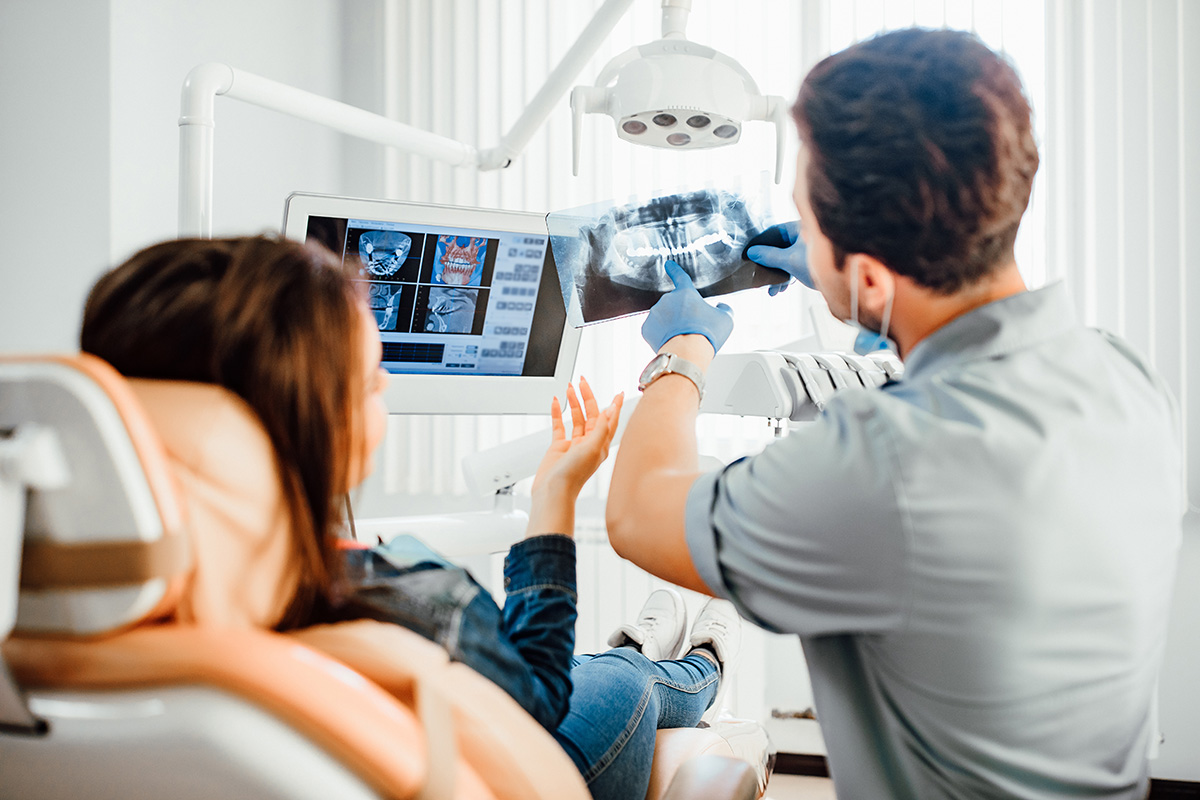
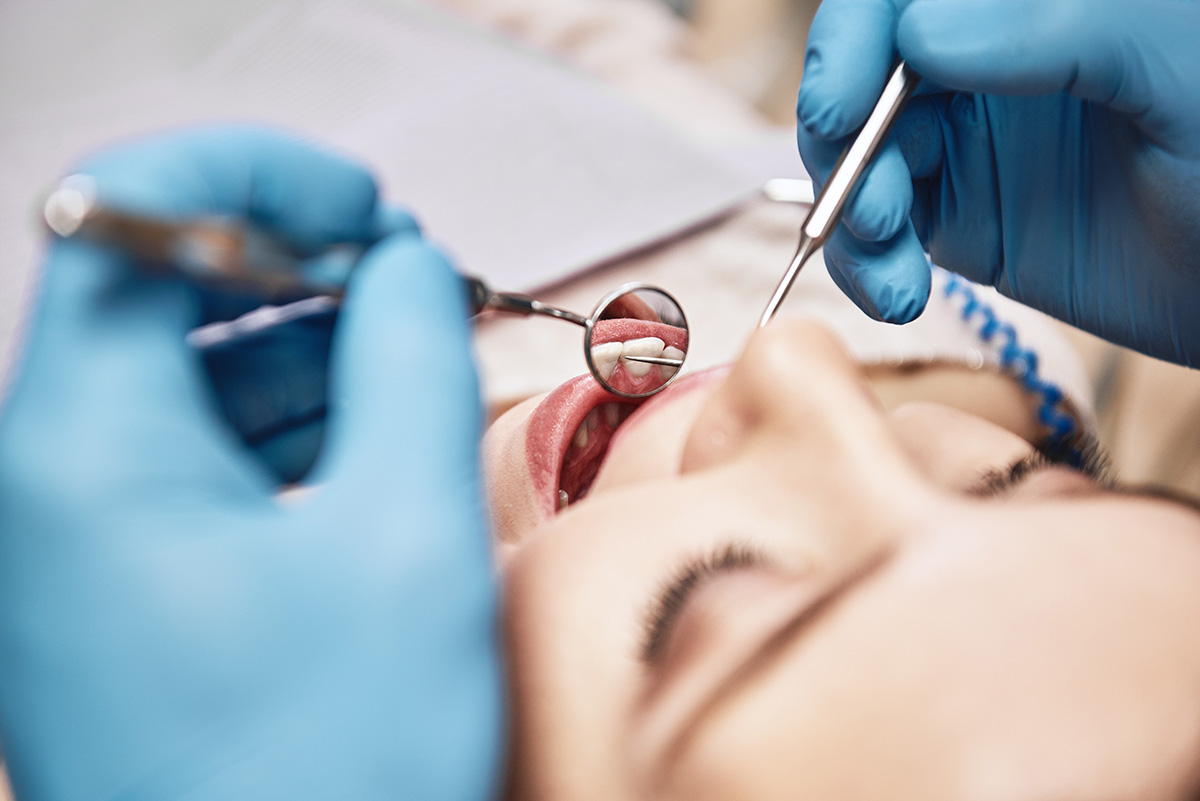
The oral exam typically starts with visually inspecting your mouth, teeth, and surrounding tissues. The dentist or dental hygienist will use a small mirror and a bright light to examine the inside of your mouth. They will check for any signs of abnormalities, such as tooth decay, gum disease, oral sores, or other oral health issues.
Dental X-rays may sometimes be necessary to obtain a more comprehensive view of your oral health. X-rays can reveal hidden dental problems, such as cavities between teeth, impacted teeth, bone loss, and other issues that may not be visible during the visual exam. Dental X-rays are safe and provide valuable information for the dental team to develop an accurate diagnosis and treatment plan.
A crucial part of the oral exam is the periodontal assessment, which evaluates the health of your gums. The dental professional will use a small measuring instrument called a probe to measure the depth of the gum pockets around each tooth. Deeper gum pockets may indicate gum disease, leading to tooth loss if left untreated.
An essential aspect of the oral exam is oral cancer screening. The dental professional will carefully check your mouth, lips, tongue, and throat for any suspicious lumps, bumps, or discolorations that could indicate the presence of oral cancer. Early detection of oral cancer can lead to more effective treatment and improved outcomes.
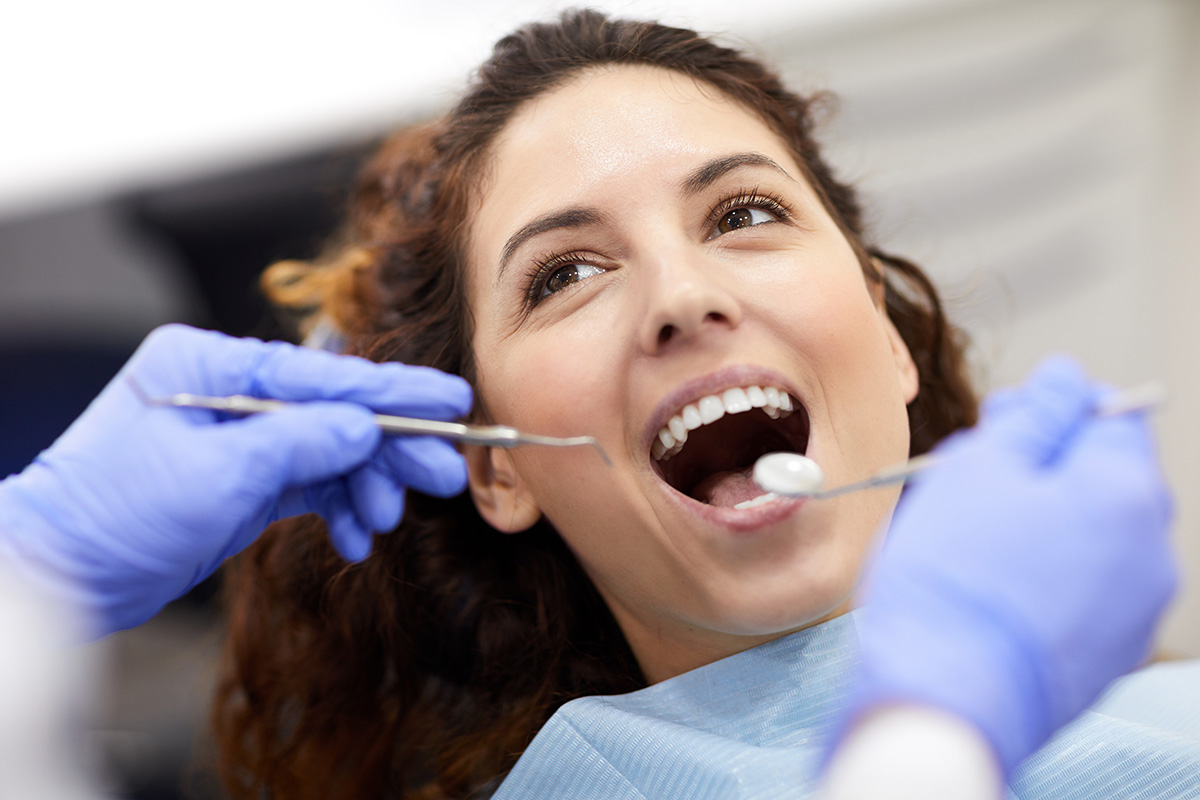
Regular oral exams facilitate early detection of dental problems, such as cavities, gum disease, oral cancer, and enamel erosion. Early intervention leads to more conservative and effective treatments.
Detecting dental problems early allows for conservative treatments that can preserve natural teeth and prevent the need for more invasive procedures or tooth extractions.
Oral exams are fundamental to maintaining optimal oral health and preventing dental issues. By scheduling regular oral exams, you empower yourself to take control of your dental health and make informed decisions about your oral care. For the best dental care tailored to your unique needs, visit Wayne T. Yee, DDS, at 3125 Coffee Rd # 1, Modesto, CA 95355, or call (209) 529-2726.

An oral exam is a thorough evaluation of your mouth, teeth and supporting tissues performed by a dental professional to assess overall oral health. The exam looks for early signs of decay, gum disease, wear, structural problems and other conditions that may not yet be causing symptoms. Finding issues early allows for more conservative care and helps preserve natural teeth and oral function. An oral exam also creates an opportunity to review your medical history and any medications that could affect dental treatment.
Routine oral exams are a cornerstone of preventive dentistry because they combine visual inspection with targeted tests to identify risk factors and developing disease. During the visit, the dental team educates patients about home care and recommends preventive measures tailored to individual needs. Documentation from exams helps track changes over time and supports informed decisions about treatment. Overall, regular oral exams contribute to better oral health and can reduce the need for complex procedures later on.
Your first oral exam typically begins with a review of your medical and dental history, including any current medications and symptoms. The dentist or hygienist will perform a visual inspection of the teeth, gums, tongue, cheeks and soft tissues, using a mirror and good lighting to spot abnormalities. The team will also check your bite, tooth mobility and restorations to evaluate function and stability. This initial visit often includes periodontal probing to measure gum pocket depths and identify signs of inflammation or infection.
Depending on your history and clinical findings, the dentist may recommend diagnostic imaging such as dental X-rays to see areas not visible during the visual exam. The clinician will discuss any findings with you, prioritize concerns and outline recommended next steps for preventive care or treatment. Expect clear instructions on home care and, if appropriate, scheduling for follow-up visits or procedures. The goal of the first exam is to establish a baseline and create a personalized plan for ongoing oral health maintenance.
The decision to take X-rays is individualized and guided by clinical need rather than routine practice for every patient at every visit. For new patients, baseline images are often helpful to document the current state of the mouth and to compare with future exams. Pregnant patients or those with specific health concerns should discuss safety and timing with the dental team so the plan can be adjusted as needed. Clear communication about the benefits and limitations of radiographs is part of a comprehensive oral exam.
A periodontal assessment evaluates the health of the gums and the supporting structures that hold teeth in place, and it is a key component of an oral exam. The clinician uses a periodontal probe to measure the depth of the sulcus or pocket around each tooth and records measurements to detect pockets that indicate gum disease. The tissues are examined for signs of bleeding, recession, inflammation and plaque or calculus deposits, which help determine disease stage and activity. Mobility testing and evaluation of bone support through imaging may be included if advanced disease is suspected.
Results from the assessment guide recommendations for treatment, which can range from improved home care and professional cleanings to periodontal therapy for more advanced cases. Regular periodontal monitoring allows the dental team to track response to treatment and make timely adjustments to care. Patients diagnosed with periodontal disease are typically placed on a maintenance schedule to control progression and preserve oral health. Education on effective brushing, flossing and other adjunctive measures is provided during the visit.
An oral cancer screening during an oral exam is a systematic inspection of the lips, tongue, floor of mouth, cheeks, throat and surrounding tissues for any suspicious lumps, sores, discolorations or asymmetries. The clinician visually examines and palpates tissues, feeling for lumps or areas of induration that may warrant further investigation. In some cases, adjunctive screening tools are used to enhance visualization, but the primary screening is a careful clinical evaluation performed on every appropriate patient. Early detection of abnormal changes improves the chances of successful treatment and better outcomes.
If a suspicious lesion is identified, the dentist will explain the findings, document the area and recommend follow-up steps which may include soft-tissue imaging, biopsy or referral to a specialist. Factors such as tobacco use, heavy alcohol consumption and certain medical conditions increase risk and are considered during the assessment. Patients are encouraged to report any persistent sores, unexplained bleeding or lumps between visits so these concerns can be evaluated promptly. Regular screenings are an important preventive measure for overall health.
The recommended frequency of oral exams varies based on a patient’s individual risk factors, dental history and current oral health status rather than a one-size-fits-all schedule. Many patients benefit from exams every six months to maintain preventive care and detect problems early, while those with increased risk for disease may require more frequent monitoring. The dental team considers factors such as gum disease, history of cavities, systemic health conditions and medication use when suggesting an exam interval. Your clinician will recommend a recall schedule tailored to your needs and adjust it as your oral health changes.
Consistency in attending scheduled exams helps create a reliable record of oral health changes and supports timely interventions when necessary. For certain patients, such as those undergoing active treatment or periodontal maintenance, more frequent visits are essential to achieve and sustain health. Discuss any changes in your general health or medications with the dental team so the examination plan can be updated accordingly. A personalized approach ensures you receive appropriate preventive care and oversight.
Oral exams are tailored to a patient’s age, development and specific needs, so exams for children and adults differ in focus and technique. For children, the exam emphasizes growth and development, early detection of decay, eruption patterns and guidance on habits such as thumb-sucking and fluoride use. Pediatric exams also include age-appropriate education for caregivers about diet, oral hygiene and preventive measures like sealants when indicated. The clinician monitors jaw and tooth development to identify issues that may benefit from early intervention.
Adult exams concentrate on prevention of decay and periodontal disease, assessment of restorations, occlusion and evaluation for conditions more common in adulthood such as oral cancer and wear from grinding. Older adults may require additional attention to medication effects, dry mouth and root decay, so the exam addresses those concerns. Across all ages, the goal is to provide developmentally appropriate care and to adjust recommendations based on risk and clinical findings.
Oral exams can reveal signs of systemic conditions because many diseases manifest oral symptoms that trained clinicians can recognize during a routine evaluation. Conditions such as diabetes, nutritional deficiencies, autoimmune disorders and certain infections may present with oral signs like unusual lesions, delayed healing, excessive gum inflammation or oral mucosal changes. The dental team integrates medical history with clinical findings to identify abnormalities that may warrant communication with or referral to a medical provider. This collaborative approach supports whole-person care and can lead to earlier diagnosis of non-dental health issues.
Because oral health is connected to systemic health, documenting changes observed during exams helps monitor the impact of medical conditions and medications on the mouth. For patients with complex medical histories, the dental provider may coordinate care with physicians to ensure safe and effective dental treatment. Emphasizing the mouth-body connection during exams reinforces the importance of regular dental visits as part of overall health maintenance. Patients should inform their dental team about new diagnoses or medication changes so examinations remain clinically relevant.
Preparing for an oral exam involves bringing an accurate medical history, a current list of medications and any recent imaging or records from other dental providers when available. Arrive with questions or concerns written down so you can discuss them during the appointment, and be prepared to describe any symptoms such as sensitivity, pain or changes in function. Good oral hygiene before the visit helps the clinician perform a clear assessment, but avoid using strong mouthwashes right before the exam if you want the team to evaluate natural tissue appearance. If you have a history of periodontal disease, note when you last had a professional cleaning and any home-care routines you follow.
If you are visiting the office at 3125 Coffee Rd., Suite 1, Modesto for the first time, allow time for registration and for the team to review your records so the exam can be thorough and unhurried. Notify the practice of any special needs, mobility concerns or recent medical events when you schedule the appointment so appropriate accommodations can be arranged. Clear communication before the visit supports a more productive exam and helps the dental team provide personalized recommendations. Being prepared makes the most of the clinical time and improves the quality of care you receive.
It’s appropriate to ask for written or visual explanations when treatment is recommended and to request a clear plan that outlines priorities and maintenance steps. If you take medications or have medical conditions, ask how they may affect dental care and whether any adjustments are needed. Open discussion during the exam ensures you leave with a clear understanding of your oral health status and actionable steps to maintain or improve it. The dental team is there to provide education and help you make informed choices about your care.

