
Our Office
3125 Coffee Rd.
Suite 1
Modesto, CA 95355
Existing Patients: (209) 529-2726
New Patients: (209) 207-5740
Visit Us Online

Oral surgery is a specialized branch of dentistry that involves surgical procedures in and around the mouth, jaw, and face. While many dental issues can be treated with non-surgical methods, certain conditions may require more extensive interventions to preserve oral health and improve quality of life. Oral surgery is a crucial component of dental health, offering specialized interventions to address complex dental issues and enhance the quality of life for patients. Whether addressing impacted wisdom teeth, restoring missing teeth with dental implants, or correcting jaw misalignment with orthognathic surgery, oral surgery plays a significant role in maintaining oral health and overall well-being. Visit Wayne T. Yee, DDS, for the best dental care.
Tooth extractions are one of the most common oral surgery procedures. They involve the removal of damaged, decayed, or impacted teeth that cannot be saved through other dental treatments. As mentioned in a previous blog, wisdom teeth extractions are a notable example of tooth extractions.
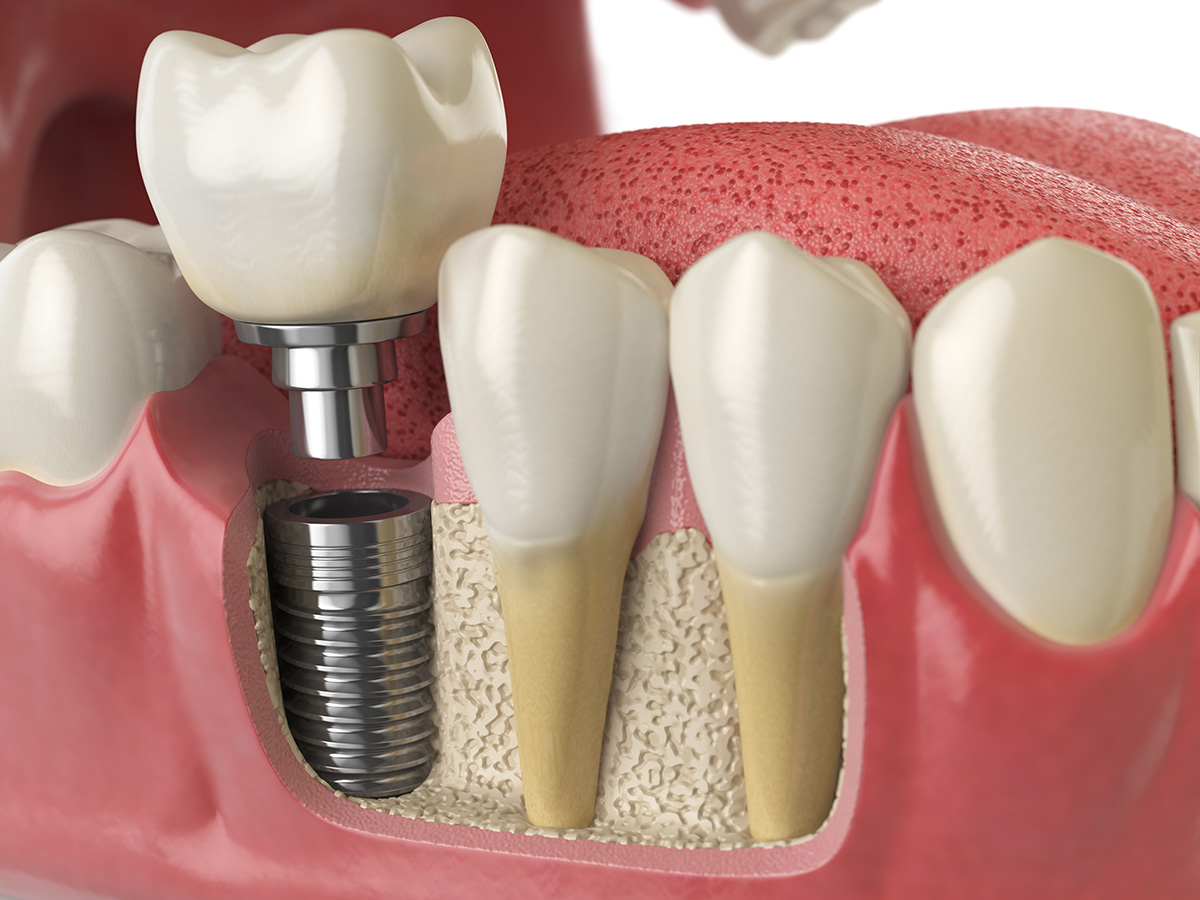
Dental implants are artificial tooth roots surgically implanted into the jawbone to support replacement teeth. This procedure is used to restore missing teeth and provide a durable and long-lasting solution for tooth loss.
Bone grafting is a procedure where bone material is transplanted to jaw areas lacking sufficient bone density. This is often necessary before dental implant surgery to ensure the implant has a stable foundation.
One of the primary reasons oral surgery is essential for dental health is its ability to address complex dental issues that cannot be resolved with non-surgical treatments alone. Conditions such as impacted wisdom teeth, severe jaw misalignment, and advanced gum disease often require surgical intervention to prevent further complications and preserve oral health.
Oral surgery procedures, such as dental implants and orthognathic surgery, restore oral functionality. Dental implants provide a durable and long-lasting solution for missing teeth, allowing patients to eat, speak, and smile confidently. Orthognathic surgery corrects jaw misalignment, improving bite function and alleviating issues related to speech and chewing.
Tooth extractions and oral pathology surgeries are essential for removing damaged or diseased tissues, preventing the spread of infection, and preserving overall oral health. In cases of severe dental infections or cysts, oral surgery may be necessary to remove the source of the problem and promote healing.

Investing in oral surgery today can lead to a lifetime of healthy smiles and improved overall health, allowing you to enjoy life to the fullest with the comfort and confidence of a beautiful and functional smile. If you face dental challenges requiring surgical intervention, contact Wayne T. Yee, DDS, at 3125 Coffee Rd # 1, Modesto, CA 95355, or call (209) 529-2726.
In-house oral surgery refers to surgical dental procedures performed directly at a dental practice rather than at a hospital or external surgical center. This model allows patients to receive evaluation, treatment, and follow-up care from the same clinical team in a familiar office environment. Having oral surgery performed in-house can streamline care coordination and reduce the need for multiple referrals when timely treatment is important. The continuity of care also helps the team tailor postoperative instructions and monitor healing closely.
Patients often find in-house oral surgery convenient because preoperative imaging, treatment planning, and recovery visits are managed in one place. In many situations the practice can offer the same surgical standards and equipment used in specialized centers while maintaining a more personal patient relationship. For patients in Modesto and the surrounding communities, the office of Wayne T. Yee, DDS provides comprehensive in-house oral surgery services to address common and complex needs.
Common procedures performed in-house include tooth extractions, removal of impacted wisdom teeth, dental implant placement, and bone grafting to support future restorations. Additional services may include treatment of oral pathology, management of traumatic dental injuries, and surgical exposure of unerupted teeth. Some practices also provide orthognathic surgery planning, minor corrective jaw procedures, and soft tissue surgeries when appropriate. The scope of procedures depends on the training of the clinicians and the facility's equipment and protocols.
For patients considering treatment, understanding the range of services helps set expectations for what can be completed on-site versus what may require referral. The clinical team will explain which procedures are routinely performed in-house and why certain cases might be better managed in a surgical center. This ensures patients receive safe, evidence-based care tailored to their individual needs.
Determination of the need for oral surgery begins with a comprehensive evaluation that includes a dental examination, review of medical and dental history, and appropriate imaging such as panoramic X-rays or cone beam CT scans. The clinician assesses factors like the position and health of teeth, bone volume, presence of infection or pathology, and functional concerns such as bite alignment. Consultation may also involve discussing non-surgical alternatives and weighing the risks and benefits of operative treatment. A clear diagnosis and treatment objective guide whether surgical intervention is the recommended option.
The decision-making process is collaborative; patients receive a detailed explanation of findings, proposed procedures, and expected outcomes before consenting to surgery. When medical or anatomical complexities exist, the team may coordinate with medical providers or specialists to optimize safety and results. This careful planning helps ensure that surgery addresses the root cause of the problem and supports long-term oral health.
During an oral surgery consultation you can expect a focused clinical examination, review of imaging, and a conversation about your symptoms, medical history, and goals for treatment. The surgeon or dentist will explain the diagnosis, outline the recommended procedure, and describe the anesthesia or sedation options appropriate for your case. Treatment planning also includes discussing the sequence of care, anticipated recovery timeline, and any preoperative instructions such as medication adjustments. This visit is the time to ask questions and make sure you understand each step of the process.
Following the consultation, the practice will prepare a personalized plan that covers operative details, postoperative care, and follow-up appointments to monitor healing. If additional diagnostic imaging or laboratory tests are needed, these are coordinated before the procedure. Clear communication during planning reduces surprises on the day of surgery and supports a smoother recovery.
Pain management during oral surgery begins with appropriate local anesthesia to numb the surgical area and, when indicated, sedation or general anesthesia to ensure patient comfort and reduce anxiety. The clinical team tailors the anesthesia plan to the procedure and the patient's medical profile, offering options ranging from nitrous oxide to IV sedation when available and appropriate. Effective intraoperative pain control minimizes discomfort during the procedure and contributes to a more comfortable immediate recovery. Monitoring throughout the case ensures vital signs remain stable and the patient remains comfortable.
After surgery, pain management typically involves a combination of prescribed or recommended analgesics, cold therapy, rest, and stepwise activity restrictions. The provider will give clear instructions on medication timing, wound care, and signs that warrant follow-up. When patients adhere to these instructions and the postoperative plan, they generally experience predictable and manageable postoperative discomfort rather than prolonged or severe pain.
Like any surgical procedure, oral surgery carries potential risks such as infection, bleeding, swelling, dry socket following extractions, and in rare cases nerve injury or sinus complications. The practice reduces these risks through thorough preoperative assessment, sterile technique, appropriate use of antibiotics when indicated, and careful surgical technique. Patients receive specific instructions to minimize postoperative complications, including activity restrictions, oral hygiene guidance, and criteria for when to seek urgent care. Early recognition and prompt management of complications are essential to achieving the best outcome.
If a complication arises, the clinical team will evaluate the problem and recommend targeted treatment such as local care, medications, or additional minor procedures if necessary. Complex or uncommon complications may lead to consultation with or referral to a specialist, depending on the case. The emphasis is always on clear communication, timely intervention, and supporting the patient through recovery.
Preparation for oral surgery starts with reviewing your medical history and current medications with the dental team to identify any factors that might affect anesthesia or healing. If sedation or general anesthesia is planned, you will be given fasting instructions and advised to arrange transportation to and from the appointment. It is also helpful to wear comfortable clothing, avoid jewelry, and bring a list of questions or concerns to discuss during the preoperative check-in. Following the preparatory guidance provided by your clinician helps ensure a safe and efficient surgical visit.
Patients should also plan for postoperative needs such as a period of rest, soft foods, and someone to assist at home if sedation was used. If you use medications that affect bleeding, such as blood thinners, your provider will coordinate with your physician about whether temporary adjustments are necessary. Adequate preparation reduces anxiety and contributes to a smoother recovery.
The initial recovery period after oral surgery commonly involves swelling, mild to moderate discomfort, and progressive improvement over several days to weeks depending on the procedure. Aftercare usually includes rest, application of cold packs in the first 24 to 48 hours, a soft or modified diet, and gentle oral hygiene to keep the surgical site clean without disrupting healing tissue. The practice will provide specific written instructions on wound care, medication use, and activity restrictions tailored to the procedure performed.
Follow-up appointments are scheduled to monitor healing, remove sutures if necessary, and confirm that recovery is progressing as expected. If unusual symptoms such as increasing pain, fever, excessive bleeding, or signs of infection develop, patients are advised to contact the office promptly. Timely communication and adherence to aftercare guidelines support predictable healing and the best functional outcomes.
Many practices are equipped to perform both bone grafting and dental implant placement in-house, allowing a seamless workflow from initial evaluation through final restoration when clinically appropriate. Bone grafting restores or augments deficient jawbone to provide a stable foundation for implants, and it can involve autogenous bone, allograft, xenograft, or synthetic materials depending on the clinical situation. Implant placement typically follows careful three-dimensional planning with imaging to determine optimal implant size, position, and angulation for long-term success. Staged approaches are common when grafting is required, with healing periods to allow integration of graft material before implant placement.
When performed in-house, this treatment sequence is coordinated by the same clinical team, which can simplify communication and scheduling for the patient. The practice will explain timelines, expected healing phases, and maintenance requirements for implants and grafted areas. Ongoing follow-up and proper oral hygiene are essential to support osseointegration and the longevity of the implant-supported restoration.
Safety and infection control are foundational aspects of any in-house oral surgery program and are maintained through rigorous sterilization protocols, single-use disposables when appropriate, and adherence to current infection control guidelines. Staff receive regular training in aseptic technique, instrument processing, and environmental cleaning to minimize cross-contamination risks. The facility also employs standardized screening procedures to identify medical conditions that may affect surgical risk and to plan care accordingly. These measures protect both patients and the dental team during surgical procedures.
The practice maintains emergency preparedness with trained staff, stocked emergency equipment, and clear protocols for managing medical events should they occur. For patients in Modesto and the surrounding area, Wayne T. Yee, DDS and the clinical team emphasize transparent communication about safety practices and what to expect on the day of surgery. This approach helps patients feel informed and confident in the care they receive.

